Beyond Gray: Pro Concrete Painting in Pueblo

Grant Cool • September 27, 2025

Concrete is the unsung hero of our homes. It’s the sturdy garage floor, the welcoming walkway, the functional basement, and the patio where memories are made. While its strength is undeniable, its appearance can often be less than inspiring. Over time, plain gray concrete can become a canvas of stains, cracks, and dust, detracting from your property’s overall beauty.


Many homeowners see a can of floor paint as a quick and easy fix. Unfortunately, this often leads to a frustrating cycle of peeling, chipping, and failure within just a year. Achieving a vibrant, durable, and long-lasting painted concrete finish requires a deep understanding of materials and a rigorous professional process. At Pueblo Concrete, we specialize in transforming tired concrete into stunning, resilient surfaces that add value and appeal to your space. Our secret isn't just paint; it's a system built on expert preparation, industrial-grade products, and precision application.


Why Professionally Paint Your Concrete?

Choosing to professionally coat your concrete is about more than a simple color change. It is a strategic upgrade that delivers significant benefits in aesthetics, protection, and long-term maintenance.


Enhance Your Home's Aesthetics

The most immediate impact of painting concrete is the dramatic visual improvement. A professionally coated surface can turn a dark, dingy garage into a bright, clean workspace or a musty basement into a welcoming living area. With an extensive palette of colors and finishes, from simple solids to decorative flakes, you can customize the look to perfectly match your style. For outdoor spaces, a beautifully finished patio or pool deck can become the centerpiece of your landscape, significantly boosting your home’s curb appeal.


Create a Shield of Durability

Concrete may feel rock-solid, but it is a porous material. This means an unsealed slab acts like a sponge, absorbing water, oil, road salts, and other chemicals. These substances can lead to permanent stains and cause the concrete to break down from within. A high-quality coating system from Pueblo Concrete seals these pores and creates a protective shield.


This coating provides robust resistance to stains, making cleanup of oil or chemical spills in a garage effortless. It also prevents water from seeping into the concrete, which is critical for preventing freeze-thaw damage—the primary cause of spalling and cracking in our climate. The finish is also designed to resist abrasion from foot traffic and vehicles, protecting the underlying concrete from wear and tear.


Simplify Cleaning and Maintenance

One of the best long-term benefits of a coated concrete floor is how easy it is to maintain. Bare concrete constantly creates fine dust that gets tracked into your home. A sealed, non-porous surface eliminates this dusting issue entirely. Dirt and debris sit on top of the coating, allowing you to sweep or mop the area clean with minimal effort. This makes it an ideal solution for workshops, basements, and garages.


The Pueblo Concrete Painting Process: Built to Last

The difference between a DIY paint job that fails and a professional coating that endures comes down to one thing: process. We have refined our method to address the common points of failure, ensuring a permanent bond and a beautiful finish.


Step 1: In-Depth Surface Assessment and Diagnosis

Every successful project begins with a thorough evaluation. A specialist from Pueblo Concrete will inspect your slab to identify its unique conditions. We check for moisture vapor transmission, the hardness of the concrete, existing sealers, and the extent of any damage like cracks or spalling. This diagnostic step is crucial, as it allows us to design a preparation and coating strategy tailored specifically to your floor.


Step 2: Meticulous Surface Preparation

This is the most critical stage of the entire process and where most DIY projects go wrong. For a coating to last, it needs a clean, porous, and properly profiled surface to grab onto. Our preparation is exhaustive.


First, we deep clean and degrease the floor to remove any contaminants. Then, the real work begins. We use industrial diamond grinders to mechanically abrade the concrete surface. This isn't just sanding; it’s a powerful process that removes the top layer of concrete, along with any old, failing coatings or sealers. This step opens the pores of the concrete, creating a profile similar to 100-grit sandpaper, which is essential for the new coating to achieve a tenacious mechanical bond.


Step 3: Detailed Crack and Damage Repair

Before any coating is applied, we meticulously repair any damage to the concrete. We use a V-groove blade to chase out any cracks, removing loose debris and creating a clean channel. These prepared cracks and any spalled areas are then filled with a high-strength, fast-curing polyurea or epoxy filler. Once cured, we grind the repairs flush with the surrounding floor, creating a seamless, stable substrate.


Step 4: Selecting the Right Industrial-Grade Coating System

The "paint" you buy at a hardware store is no match for the demands of a floor. At Pueblo Concrete, we use only high-performance, multi-component coating systems designed for industrial and commercial environments. The most common system involves a primer, a base coat, and a topcoat. The base coat is typically a 100% solids epoxy, which cures into a thick, hard, and incredibly durable layer.


This provides the core protection against impact and chemicals. The topcoat is often a chemical-resistant polyurethane or polyaspartic. These materials offer superior scratch resistance and UV stability, which is vital for preventing yellowing in areas exposed to sunlight. We can also embed decorative flakes or metallic pigments into the base coat for a customized, high-end look.


Step 5: Precision Application and Finishing

With the surface perfectly prepared, our trained technicians apply the coating system with expert care. We use professional-grade tools and techniques to ensure an even, consistent thickness across the entire floor. We pay close attention to detail, creating clean edges and a seamless finish. This skilled application is key to achieving a flawless look that is free from roller marks, bubbles, or other imperfections.


Transform Your Space with Pueblo Concrete

Don’t settle for a temporary fix that will leave you frustrated in a year. A professionally installed concrete coating is a long-term investment that adds significant value, functionality, and beauty to your property. By combining a scientific approach to preparation with the best materials on the market, Pueblo Concrete delivers a finish that is built to withstand the test of time. Let us help you reclaim your space and turn your dull, ordinary concrete into a durable, easy-to-clean, and stunning surface you can be proud of for years to come.


Ready to see the difference a professional finish can make? Contact Pueblo Concrete today for a free, no-obligation consultation and estimate on our concrete painting services.


Meta Information

Meta Title: Pro Concrete Painting in Pueblo | Pueblo Concrete

Meta Description: Transform your concrete with expert painting from Pueblo Concrete. Learn our process for a durable, beautiful finish on patios, garage floors, and more.


You might also like
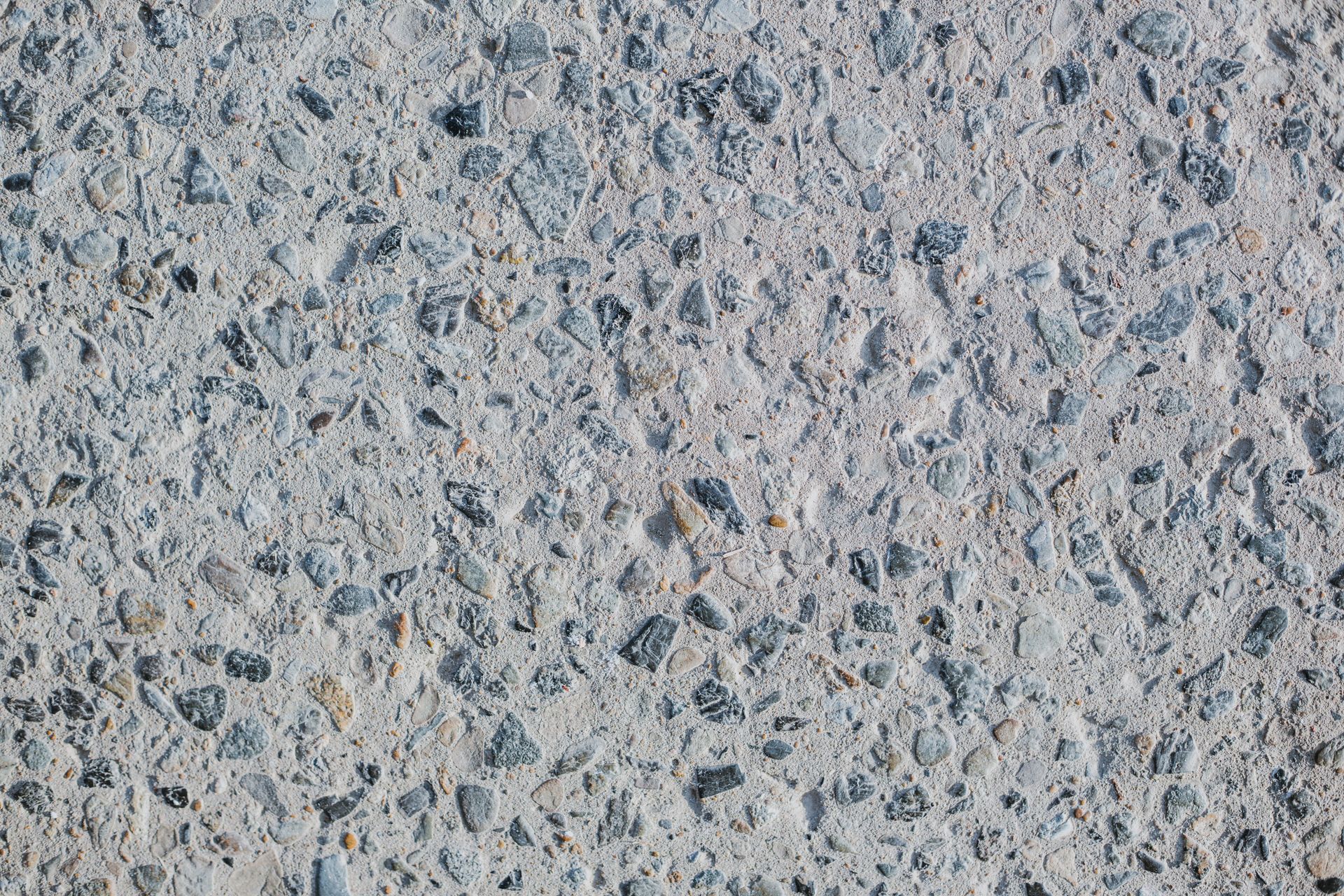
A drain surrounded by  concrete
By Grant Cool February 21, 2026
Water is a homeowner’s most persistent enemy. In the unique climate of Pueblo, we often vacillate between bone-dry droughts and sudden, intense storms. When that rain finally falls, it comes down hard and fast. If your property isn't prepared to handle that deluge, the results can be disastrous. We see it all the time: a soggy lawn that turns into a mud pit, driveways that transform into lakes, and worst of all, water pooling silently against the foundation of a home. This isn't just an inconvenience; it is a serious threat to your property's structural integrity. Many homeowners try to tackle drainage with temporary fixes. They dig shallow trenches, install plastic flexible pipes that crush over time, or rely on gravel beds that eventually clog with silt. While these might work for a season, they are rarely permanent solutions. The real answer to effective water management is likely already a major part of your property: concrete. When designed and installed by professionals, concrete is more than just a surface for walking or parking. It is a powerful, permanent tool for directing water away from your home. At Pueblo Concrete, we specialize in turning hardscapes into functional drainage systems. This guide will explore how we use concrete to protect your home, the specific techniques we employ, and why a concrete solution is the best investment you can make for your property’s longevity. The High Cost of Ignoring Drainage Before we look at the solutions, it is vital to understand the stakes. Water is patient and persistent. It always follows the path of least resistance. If you don't provide a clear, safe path for it, water will carve its own—often through the most vulnerable parts of your home. Foundation Failure This is the nightmare scenario. When water pools around the perimeter of your house, it saturates the soil. As the soil absorbs water, it expands, creating immense hydrostatic pressure against your basement walls or slab foundation. Over time, this pressure causes cracks. Once a crack forms, water infiltrates, leading to mold, rot, and structural instability. In Pueblo, where soil conditions can shift, keeping the foundation dry is non-negotiable. Landscape Erosion You spend time and money making your yard look beautiful. Uncontrolled runoff from your roof or driveway can undo that hard work in a single afternoon. Fast-moving water strips away topsoil, washes out mulch, and exposes plant roots. It leaves behind ugly gullies and can even undermine retaining walls or fences. Safety and Pest Hazards Standing water on walkways is a slip-and-fall lawsuit waiting to happen. In the winter, those puddles freeze into invisible sheets of ice. Furthermore, even a small puddle that stands for a few days becomes a breeding ground for mosquitoes, turning your backyard oasis into a no-go zone. Why Concrete is the Superior Drainage Solution When considering how to manage water, you have options ranging from PVC piping to French drains. However, concrete consistently outperforms other materials in three critical areas: durability, maintenance, and precision. Unmatched Durability Plastic pipes crush under the weight of soil or vehicles. Gravel drains fill with dirt and lose their ability to drain. Concrete, however, is permanent. It does not rot, rust, or decay. A professionally installed concrete drainage channel can handle heavy vehicle traffic, scorching Colorado sun, and freezing winter nights without compromising its function. It is a "one-and-done" solution. Low Maintenance A gravel trench requires regular weeding and eventual replacement when it becomes clogged with sediment. A concrete swale or sloped driveway requires almost zero maintenance. There are no filters to clean and no pipes to snake. A simple sweep with a broom or a rinse with a garden hose to remove leaves is all the maintenance a concrete drainage system will ever need. Precision Control Water flow is a game of physics. With loose materials like gravel or dirt, it is hard to guarantee exactly where the water will go. With concrete, we can engineer the surface to the millimeter. We dictate exactly where the water flows, how fast it moves, and where it ends up. It gives you absolute control over the elements. Strategic Sloping: The Invisible Hero The most effective drainage tool isn't a pipe or a pump; it is gravity. The cornerstone of good concrete work is the "grade" or slope. At Pueblo Concrete, we view every slab we pour as a water management device. When we install a new driveway, patio, or sidewalk, we never pour it perfectly flat. We use laser levels and precise calculations to engineer a subtle, almost imperceptible slope—typically a 1% to 2% grade. This means the surface drops roughly one-quarter of an inch for every foot of length. To the naked eye, the surface looks level. But to water, it is a slide. This gentle angle ensures that rainwater sheets off the surface immediately rather than puddling. We direct this runoff away from your home's foundation and toward safe areas, such as the street storm drains or a designated drainage area in your yard. We often see DIY patios that were poured flat or, worse, sloping toward the house. This directs gallons of water right into the foundation every time it rains. Correcting the grade with professional concrete work is often the most effective way to dry out a damp basement. Concrete Channels and Swales For properties with significant water issues—such as runoff from a neighbor's higher elevation yard or a naturally low spot that acts as a bowl—simple grading might not be enough. In these scenarios, we design and install custom concrete drainage channels, also known as swales or flumes. A concrete swale is a wide, shallow trough designed to capture, control, and redirect large volumes of water. Think of it as a permanent, maintenance-free riverbed for your property. The Benefits of a Concrete Swale Capacity: Unlike a narrow pipe that can easily be overwhelmed by a sudden downpour, a swale has a large capacity to move heavy water flow quickly. Cleanliness: Dirt and debris wash right through a concrete swale. In a grassy swale, that debris gets stuck, creating dams that back up water. Versatility: We can install these along property lines to intercept water before it enters your yard, or run them through the middle of a landscape to drain a low spot. We can even cover them with decorative grates if they cross a walking path. Permeable Concrete: The Eco-Friendly Option One of the most exciting advancements in our industry is permeable (or pervious) concrete. This material is a game-changer for homeowners who want a hard surface for parking or walking but struggle with strict impervious surface limits or heavy runoff issues. Standard concrete is a solid barrier; water hits it and runs off. Permeable concrete is different. It is engineered with a special mix that lacks fine sands, creating a network of interconnected voids within the slab. It looks like a Rice Krispie treat made of stone. How It Works When rain hits permeable concrete, it doesn't run off. It passes directly through the slab. The water filters down into a sub-base layer of clean, open-graded stone underneath the concrete. This stone layer acts as a temporary reservoir, holding the water before allowing it to percolate slowly and naturally back into the soil. Why Choose Permeable? Zero Runoff: It eliminates the need for drainage pipes or swales because the pavement itself is the drain. Groundwater Recharge: By returning rainwater to the soil, you help water the roots of nearby trees and replenish the local water table. No Puddles: Because water drains through instantly, permeable concrete dries incredibly fast. You won't have to worry about slipping on ice patches in the winter or stepping in puddles after a storm. How Pueblo Concrete Designs Your Solution Solving a drainage problem requires more than just mixing cement; it requires a deep understanding of hydrology, soil mechanics, and construction. When you hire Pueblo Concrete, you aren't just getting laborers; you are partnering with problem-solvers. The Site Assessment Our process begins with a thorough walk-through of your property. We don't just look at where you want a patio; we look at the lay of the land. We identify: Where water enters your property. Low spots where water collects. Signs of existing erosion or water damage. The soil type (sandy soil drains differently than clay). Custom Design Based on our assessment, we design a custom solution. This might involve replacing a sunken driveway that traps water, installing a concrete valley gutter to catch roof runoff, or pouring a new patio with an aggressive slope to protect a basement window well. We ensure that the drainage solution integrates beautifully with your home. A drainage swale doesn't have to look like a utility ditch; with the right finish and placement, it can be an architectural feature. Professional Installation Execution is everything. A drainage plan is only as good as the pour. Our team is trained in precise grading techniques. We use high-quality concrete mixes designed to withstand the freeze-thaw cycles of the Colorado climate. We reinforce our work with steel to prevent cracking, ensuring that your drainage system remains watertight and functional for decades. Protect Your Investment Today Your home is likely the biggest investment you will ever make. Don't let seasonal storms slowly erode its value. Concrete offers a robust, permanent, and effective way to manage water, keeping your foundation dry and your landscape secure. Stop fighting the mud and the floods with temporary fixes. Let the experts at Pueblo Concrete design a system that works as hard as you do. Ready to solve your drainage problems for good? Contact Pueblo Concrete today for a professional consultation and let us help you build a drier, safer future for your home. Meta Information Meta Title: Concrete Drainage Solutions | Pueblo Concrete Guide Meta Description: Protect your home from water damage with concrete drainage solutions. Pueblo Concrete explains how swales, slopes, and permeable concrete keep your property dry.
Understanding PSI on a concrete bag
By Grant Cool February 13, 2026
When you walk down the masonry aisle at a home improvement store, you are met with stacks of heavy paper bags. At a glance, they all seem the same: just gray powder waiting to be mixed. But if you look closer, you will notice a number printed prominently on the packaging: 3000, 4000, 5000. Right next to it, you’ll find the acronym "PSI." To many homeowners in Pueblo planning a project, this number is a complete mystery. Is it just a marketing gimmick? Is a higher number always better? Does it really matter which bag you choose for a simple repair or a new patio? At Pueblo Concrete, we know that the foundation of any successful project is understanding the materials you are working with. That number on the bag is not just a suggestion; it is the most critical indicator of how your concrete will perform and how long it will last. This guide will demystify PSI , explain its significance, and show you how choosing the right strength is essential for a durable, long-lasting result. Decoding the Acronym: What is PSI? PSI stands for Pounds per Square Inch . In the world of concrete, it is the standard measurement of compressive strength. It tells you how much force a cured piece of concrete can withstand before it cracks or fails under pressure. Imagine a one-inch square of hardened concrete. If its rating is 4000 PSI, it means that tiny square can support 4,000 pounds of direct pressure without crumbling. That is like balancing a mid-size SUV on an area the size of a postage stamp. This number is a key predictor of the concrete’s overall quality and durability. It is crucial to know that concrete gains this strength over time through a chemical process called hydration. The PSI on the bag refers to the minimum strength the concrete will achieve after curing under ideal conditions for a full 28 days . While it continues to harden for years, this 28-day mark is the industry benchmark for judging its final strength. Why PSI is a Critical Factor for Your Project You might be thinking, "I'm just pouring a small slab for my grill. I don't need it to hold up a car." While that may be true, PSI is about more than just bearing heavy loads. It is a direct indicator of the concrete's density, quality, and resistance to the elements. 1. Durability Against Weather Here in Pueblo, our concrete faces everything from intense summer sun to freezing winter nights. The freeze-thaw cycle is one of concrete’s greatest enemies. When water penetrates the surface and freezes, it expands with incredible force, causing internal pressure that leads to cracking and surface flaking (spalling). Higher PSI concrete is denser. It contains a richer mix of cement, which creates fewer microscopic pores for water to seep into. A 4000 PSI mix is inherently more resistant to freeze-thaw damage than a 2500 PSI mix, making it a much better choice for any outdoor surface. 2. Resistance to Everyday Wear and Tear Think about the abuse your surfaces endure. A driveway deals with the constant abrasion of tires, while a walkway gets scraped by shovels and worn down by foot traffic. Lower PSI concrete is "softer" and more susceptible to surface wear and dusting. Higher PSI mixes create a harder, more resilient surface that keeps its finish and integrity for many more years. 3. Structural Integrity and Safety For any project that must support weight, PSI is non-negotiable. This is where the number becomes a matter of safety and structural stability. Pouring a driveway with a low-PSI mix designed for fence posts is a recipe for disaster. The slab will inevitably crack under the concentrated weight of a vehicle. Matching the PSI to Your Project's Needs Choosing the right concrete is about matching the strength to the job. At Pueblo Concrete, we guide our clients to select the perfect mix based on their specific application. Most residential projects fall into one of three tiers. Low Strength (2,500 – 3,000 PSI) This is your basic, economy-grade concrete. It is affordable and sufficient for tasks where structural strength is not the primary concern. Best for: Setting non-load-bearing fence posts, securing a mailbox post, or creating small footings for garden sheds. Why: In these applications, the concrete is often buried and not exposed to heavy traffic or severe weather. Medium Strength (3,500 – 4,000 PSI) This range is the workhorse of residential concrete. It offers a fantastic balance of durability, cost, and a high-quality finish, making it the right choice for most projects. Best for: Driveways, garage floors, patios, sidewalks, and foundations for hot tubs or large sheds. Why: These surfaces must support significant weight (like vehicles) and withstand constant exposure to weather. The higher strength ensures they resist cracking and spalling. High Strength (5,000+ PSI) This is premium, heavy-duty material typically reserved for commercial construction, but it is available for residential projects that demand maximum performance. Best for: Workshop floors designed for heavy machinery, foundations for heavy-duty vehicle lifts, or projects in extremely harsh climates. Why: This concrete is incredibly dense and nearly impervious to water penetration, offering ultimate durability. The Biggest Mistake You Can Make: The Water Factor Pueblo Concrete offers this critical piece of advice to every customer: The PSI rating on the bag is only valid if you mix it correctly. The most common mistake DIYers make is adding too much water. It is tempting to add extra water to make the concrete "soupier" and easier to pour. However, concrete is a chemical recipe. Adding excess water dilutes the cement paste and spreads the aggregate particles farther apart. When that extra water evaporates, it leaves behind countless tiny voids, weakening the entire structure. Adding just one extra quart of water to a standard bag of mix can reduce its final strength by up to 40%. Your expensive 4000 PSI mix can quickly become a weak 2400 PSI slab, completely undermining your project. How Pueblo Concrete Guarantees the Right Strength Understanding PSI is the first step, but ensuring you get the right mix installed correctly is where professional expertise matters most. When you partner with Pueblo Concrete, you are investing in a result that will last. Expert Mix Design: We do not guess. We analyze the specific demands of your project, from soil conditions to load requirements, and specify the exact PSI needed. Professional Quality Control: We meticulously control the water-to-cement ratio (the "slump") to ensure the mix is workable enough for a perfect finish but strong enough to meet its rated PSI. Proper Reinforcement: PSI measures compressive strength (pushing down), but concrete needs help resisting tensile forces (pulling apart). We integrate steel rebar or wire mesh to create a composite structure that resists cracking from soil movement and temperature changes. Build It Strong, Build It Once Concrete should be a permanent investment. A cracked driveway or a flaking patio is not just an eyesore; it is a costly problem to fix. The cost of tearing out and replacing failed concrete is far greater than the cost of doing it right the first time. Don't leave the integrity of your home improvement project to chance. Let the experts at Pueblo Concrete help you navigate the technical details and build something that adds lasting value to your property. Ready to start your project on a solid foundation? Contact Pueblo Concrete today for a professional consultation. We will help you choose the strength that makes sense and deliver a product built to stand the test of time. Meta Information Meta Title: What Concrete PSI Means & Why It's Vital | Pueblo Concrete Meta Description: Learn what PSI on a concrete bag means for your project. Pueblo Concrete explains how to choose the right strength for a durable, long-lasting result.
the pros and cons of a concrete pad
By Grant Cool February 1, 2026
When planning a new addition to your property—whether it’s a workshop, a stable base for a hot tub, or a dedicated spot for your RV—the foundation is the most critical component. You need a surface that is reliable, level, and capable of handling significant weight. For most homeowners in Pueblo, the conversation eventually leads to one solution: a concrete pad . A concrete pad is a simple, flat slab of poured concrete that serves as a base for outdoor structures and living spaces. While it is a standard choice for construction, it is a significant investment that comes with specific characteristics. Is it the best option for what you have in mind? At Pueblo Concrete, we believe that successful projects start with informed decisions. We don't just pour concrete; we guide our clients through the planning process to ensure the final result meets their needs and budget. To help you determine if a concrete pad is the right path for you, let’s explore the advantages and disadvantages in detail. The Pros: Why Homeowners Choose Concrete Pads Concrete has been the backbone of construction for centuries. When installed by the professionals at Pueblo Concrete, a pad offers a blend of performance and value that is difficult to replicate with other materials like gravel, asphalt, or wood. 1. Unmatched Strength and Load-Bearing Capacity The most significant benefit of a concrete pad is its sheer structural strength. When mixed correctly and reinforced with steel rebar or wire mesh, a concrete slab can support thousands of pounds without flinching. This makes it the ideal choice for heavy applications. If you are parking a heavy RV, installing a car lift in a garage, or placing a hot tub filled with 400 gallons of water, you need a base that won't compress or shift. Unlike gravel, which can spread under weight, or asphalt, which can soften in the summer heat, a concrete pad provides a rigid, unyielding platform. 2. Resistance to Pueblo’s Climate Our local climate can be tough on building materials. We see scorching summer highs and freezing winter lows. A properly cured and sealed concrete pad is built to withstand these extremes. It resists the rot that plagues wooden decks and isn't susceptible to the termite damage that can undermine other structures. With proper installation, a concrete pad can weather the freeze-thaw cycles of a Pueblo winter without heaving or crumbling. 3. Extremely Low Maintenance For many of our customers, the best feature of a concrete pad is the "set it and forget it" factor. Once the pad is installed and sealed, the maintenance requirements are minimal. No Weeding: Unlike pavers or gravel, a solid slab gives weeds no place to take root. Easy Cleaning: A broom, a garden hose, or an occasional pressure wash is all you need to keep it looking new. No Resurfacing: Unlike wood, which needs staining or painting every few years, concrete holds its own with little intervention. 4. Versatility in Design and Use A concrete pad is essentially a blank canvas. It can be formed into any shape to fit the unique layout of your yard. While we often pour squares and rectangles for sheds, we can also create curved patios or custom-shaped pads for fire pits. Furthermore, concrete doesn't have to be boring gray. While a standard broom finish provides excellent traction and utility, you can also opt for decorative stamped finishes or colored concrete to turn a functional pad into a beautiful landscape feature. The Cons: Factors to Weigh Before You Commit While we stand by the quality of our work, Pueblo Concrete believes in transparency. Concrete is an incredible material, but it isn't magic. There are limitations and potential downsides that you should be aware of before scheduling a pour. 1. The Potential for Cracking This is the most common concern we hear, and it is a reality of the material: concrete can crack. As concrete hardens (cures), it shrinks slightly. Later, as temperatures fluctuate, the slab expands and contracts. At Pueblo Concrete, we take strict measures to control this. We prepare a solid sub-base, use reinforcement to hold the slab together, and cut "control joints" into the surface. These joints create a specific weak point so that if the concrete does crack, it happens in a straight, hidden line inside the joint rather than randomly across the surface. However, despite best efforts, hairline cracks can still occur over time due to ground movement. 2. Higher Upfront Investment If you are comparing a concrete pad to a gravel pad or a simple dirt leveling, concrete will always be more expensive upfront. The cost includes: Excavation and Grading: Preparing the ground properly takes time and machinery. Materials: Concrete, steel reinforcement, and forms. Skilled Labor: Finishing concrete is a trade skill that requires experience to get right. While concrete often pays for itself in longevity and lack of maintenance, the initial price tag can be a hurdle for tight budgets. 3. Permanence and Difficulty of Removal One of concrete’s greatest strengths—its durability—is also a drawback if you change your mind. Once a pad is poured, it is there to stay. Unlike a wooden deck that can be disassembled or pavers that can be stacked and moved, removing a concrete pad requires jackhammers, heavy equipment, and significant labor. You need to be absolutely certain about the location and size of your project before the truck arrives. 4. Hardness and Heat Absorption From a comfort perspective, concrete is unforgiving. If you drop a glass on it, the glass will break. If you stand on it for hours without supportive shoes, your back might ache. Additionally, in the peak of a Pueblo summer, standard concrete can absorb heat and become hot to the touch, which is a consideration for pet owners or families with small children. How Pueblo Concrete Guides Your Decision Choosing the right foundation is about balancing your immediate needs with your long-term goals. When you contact Pueblo Concrete, we don't start with a sales pitch; we start with an assessment. We Assess the Soil and Site The longevity of a pad depends heavily on what is underneath it. We examine the soil conditions in your yard. If you have expansive clay soil that heaves when wet, we might recommend a thicker base of road base gravel or additional steel reinforcement to ensure stability. We Match the Specs to the Project Not all pads are created equal. A pad for a garden shed might need to be 4 inches thick, while a pad for a heavy RV might need to be 6 inches thick with heavier gauge rebar. We design the specifications of the pour to match the load it needs to carry, ensuring you aren't paying for concrete you don't need, nor under-building a structure that will fail. We Provide Transparent Pricing We help you calculate the true cost of ownership. We can explain how the upfront cost of concrete compares to the long-term maintenance costs of wood or the replenishment costs of gravel. We provide detailed, itemized quotes so you know exactly where your money is going. Ready to Start Your Project? A concrete pad is an investment in the functionality and value of your home. Whether you need a solid foundation for a new garage or a clean, durable patio for entertaining, making the right choice starts with expert advice. Don't leave your foundation to chance. Contact Pueblo Concrete today for a professional consultation and a free estimate on your concrete pad installation. Meta Information Meta Title: Pros & Cons of a Concrete Pad | Pueblo Concrete Guide Meta Description: Is a concrete pad right for your project? Pueblo Concrete explores the durability, maintenance, and cost factors to help you decide.
More Posts

Request a Quote

Contact Us