Beyond the Driveway: Indoor Concrete Solutions

Grant Cool • December 15, 2025

When you hear the word "concrete," your mind probably goes to sidewalks, patios, and building foundations. It’s the strong, gray material that forms the backbone of our outdoor world. But what if its best qualities—durability, longevity, and surprising versatility—could be brought inside your home? Increasingly, homeowners and designers are doing just that, transforming interior spaces with stunning and practical concrete floors.


From a sleek polished basement to a ruggedly handsome garage floor, indoor concrete is shedding its industrial reputation and emerging as a sophisticated choice for modern living. Achieving this look, however, requires more than just tearing up the old carpet. It demands specialized knowledge, materials, and techniques. At Pueblo Concrete, we are experts in bringing the power and beauty of concrete indoors, providing homeowners and contractors with the guidance and resources to create exceptional interior spaces.


Why Concrete is Coming Indoors

The movement toward using concrete as a finished interior surface is driven by a demand for flooring that is not only stylish but also incredibly resilient and easy to care for. It's a practical solution that doesn't compromise on aesthetic appeal. Here are the compelling benefits of choosing concrete for your indoor spaces:

  • Unmatched Durability: Concrete is one of the toughest flooring materials you can choose. It stands up to heavy foot traffic, furniture, pet claws, and dropped objects without scratching or denting like hardwood or vinyl. A properly finished concrete floor is a lifetime investment.
  • Minimal Maintenance: Forget about deep cleaning carpets or waxing wood floors. A sealed or polished concrete surface is non-porous, meaning it resists stains, spills, and moisture. It doesn't harbor dust, dander, or mold, making it an excellent hypoallergenic choice. Cleaning usually requires nothing more than a quick sweep and an occasional mopping.
  • Endless Design Versatility: Modern concrete is a blank canvas. The days of it being just plain gray are long gone. It can be stained with rich, translucent colors to mimic natural stone, polished to a mirror-like sheen, or coated with vibrant epoxies. The design possibilities are limited only by your imagination.
  • Excellent Value: In most homes with a slab-on-grade foundation, the concrete subfloor is already in place. Finishing this existing slab is often more cost-effective than installing a new flooring material from scratch. Its longevity also means you won't face expensive replacement costs down the road.


Popular Indoor Projects with Pueblo Concrete

At Pueblo Concrete, we specialize in helping you unlock the hidden potential within your home. We can guide you through the process of transforming existing concrete or pouring new slabs for a wide range of indoor applications.


The Ultimate Garage Floor

Your garage floor takes more abuse than any other surface in your home. It contends with hot tires, dripping oil, abrasive dirt, and chemical spills. An unprotected concrete slab will quickly become stained, dusty, and difficult to clean.


We can help you upgrade your garage with a professional-grade floor coating system, like an epoxy or polyaspartic finish. This is a world away from the one-size-fits-all kits from retail stores. Our approach involves meticulous surface preparation, including diamond grinding, to create a profile that the coating can permanently bond to. The result is a seamless, glossy floor that is:

  • Highly resistant to oil, gasoline, and other chemicals.
  • Extremely durable and resistant to impact and abrasion.
  • Easy to wipe clean.
  • Available in a wide array of colors and decorative broadcast flakes.


The Modern Basement Floor Solution

Basements are notoriously susceptible to moisture, which makes flooring choices like carpet or laminate a risky proposition. Concrete is the perfect answer. By finishing the structural slab, you create a waterproof, mold-resistant floor that is as beautiful as it is practical. Pueblo Concrete offers several decorative options for your basement:

  • Concrete Polishing: This is a mechanical process that uses industrial grinders with fine diamond abrasives to hone the concrete to a smooth, high-gloss finish. The result is an incredibly durable, low-maintenance floor that reflects light and brightens the entire space.
  • Concrete Staining: We offer both acid-based and water-based stains that chemically react with the concrete to create deep, translucent color. Unlike paint, which can peel or chip, stains become part of the concrete itself, producing a unique, variegated look.
  • Decorative Overlays: If your current basement floor is uneven or has minor imperfections, a self-leveling overlay can be applied. This thin layer of polymer-modified cement creates a brand-new, flawless surface that can then be polished, stained, or sealed.


Stylish Interior Floors for Any Room

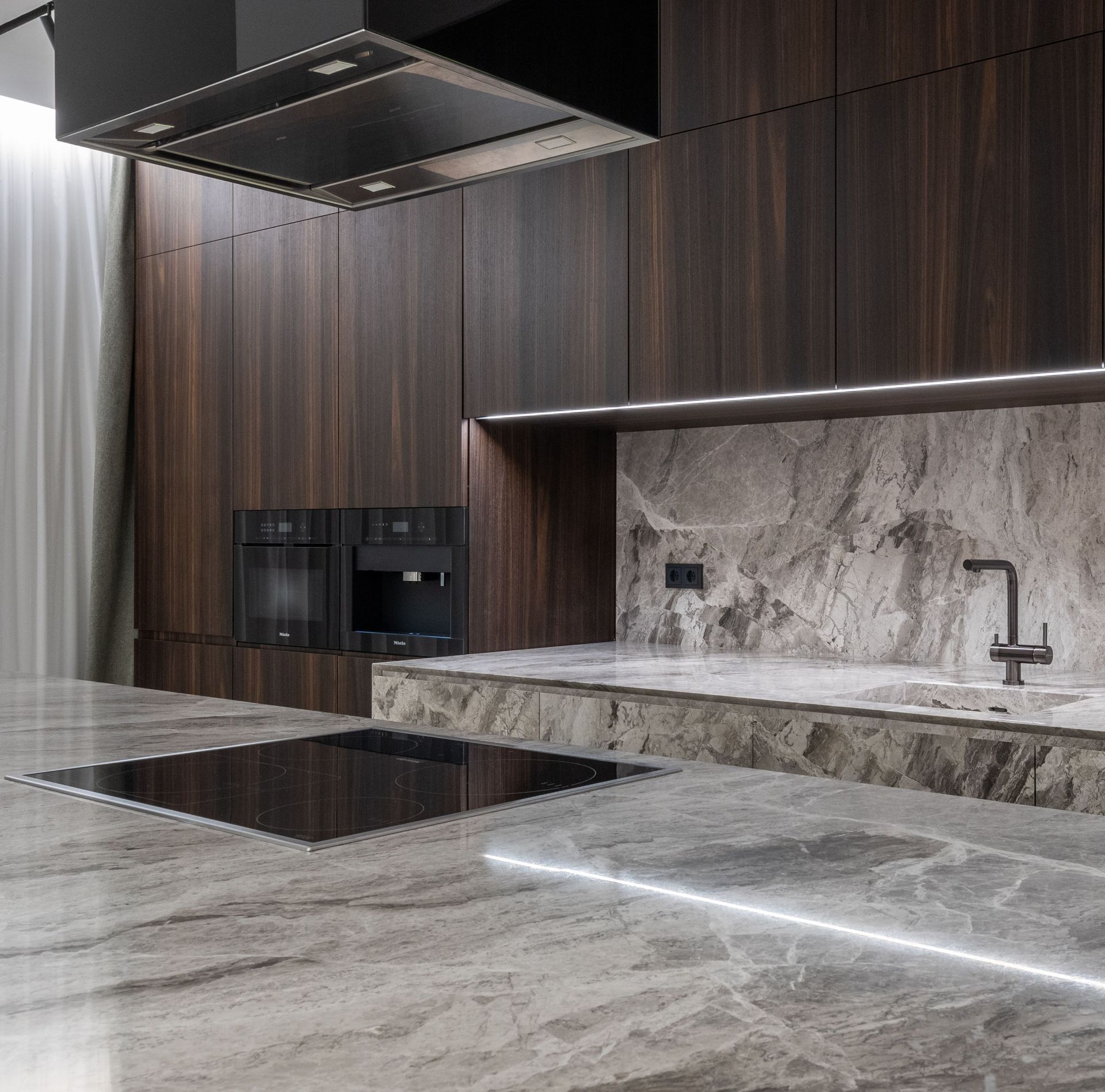
The use of concrete flooring is expanding beyond utility spaces and into kitchens, living rooms, and entryways. A polished or stained concrete floor provides a sleek, seamless foundation that complements any decor, from minimalist to rustic. It is also an ideal choice for homes with radiant in-floor heating systems, as concrete absorbs and radiates heat very efficiently. Our team can help you select the appropriate finish and sealer to match your home's aesthetic and your family’s lifestyle, ensuring a beautiful and functional floor for years to come.


The Pueblo Concrete Advantage

Achieving a high-quality indoor concrete finish is a technical process. Success hinges on a deep understanding of surface preparation, product selection, and precise application. This is where partnering with Pueblo Concrete makes all the difference.


Expert Consultation

Every project is unique. We start by listening to your vision and assessing the condition of your existing concrete. Our experts will walk you through the pros and cons of each finishing option, helping you make a confident decision that aligns with your budget and goals.


Professional-Grade Materials

We provide access to the same high-performance products trusted by professional installers. From industrial-strength coatings and penetrating sealers to premium stains and overlays, our materials are formulated for superior durability and lasting beauty.


Technical Support and Guidance

Whether you’re a contractor looking to expand your services or a hands-on homeowner tackling a DIY project, we offer the technical support you need. We can provide crucial advice on surface preparation, crack repair, moisture testing, and application techniques to empower you to achieve a finish you can be proud of.


Redefine Your Interior Spaces

It's time to see concrete in a new light. With today's advanced techniques and materials, it is a sophisticated, highly practical, and beautiful flooring choice for any room in your house. Don't let your basement or garage remain an overlooked utility space. Let us help you transform it into a durable and stylish part of your home. At Pueblo Concrete, we are your dedicated partners for all things concrete. We have the expertise, the products, and the passion to help you bring your vision for indoor concrete to life. Ready to explore the possibilities of indoor concrete floors? Contact Pueblo Concrete today for expert advice, project support, and the best materials in the industry!


Meta Information

Meta Title: Indoor Concrete Floors & Finishes | Pueblo Concrete

Meta Description: Discover the benefits of using concrete indoors. Pueblo Concrete specializes in polished, stained, and epoxy floors for basements, garages, and more.


You might also like
the pros and cons of a concrete pad
By Grant Cool February 1, 2026
When planning a new addition to your property—whether it’s a workshop, a stable base for a hot tub, or a dedicated spot for your RV—the foundation is the most critical component. You need a surface that is reliable, level, and capable of handling significant weight. For most homeowners in Pueblo, the conversation eventually leads to one solution: a concrete pad . A concrete pad is a simple, flat slab of poured concrete that serves as a base for outdoor structures and living spaces. While it is a standard choice for construction, it is a significant investment that comes with specific characteristics. Is it the best option for what you have in mind? At Pueblo Concrete, we believe that successful projects start with informed decisions. We don't just pour concrete; we guide our clients through the planning process to ensure the final result meets their needs and budget. To help you determine if a concrete pad is the right path for you, let’s explore the advantages and disadvantages in detail. The Pros: Why Homeowners Choose Concrete Pads Concrete has been the backbone of construction for centuries. When installed by the professionals at Pueblo Concrete, a pad offers a blend of performance and value that is difficult to replicate with other materials like gravel, asphalt, or wood. 1. Unmatched Strength and Load-Bearing Capacity The most significant benefit of a concrete pad is its sheer structural strength. When mixed correctly and reinforced with steel rebar or wire mesh, a concrete slab can support thousands of pounds without flinching. This makes it the ideal choice for heavy applications. If you are parking a heavy RV, installing a car lift in a garage, or placing a hot tub filled with 400 gallons of water, you need a base that won't compress or shift. Unlike gravel, which can spread under weight, or asphalt, which can soften in the summer heat, a concrete pad provides a rigid, unyielding platform. 2. Resistance to Pueblo’s Climate Our local climate can be tough on building materials. We see scorching summer highs and freezing winter lows. A properly cured and sealed concrete pad is built to withstand these extremes. It resists the rot that plagues wooden decks and isn't susceptible to the termite damage that can undermine other structures. With proper installation, a concrete pad can weather the freeze-thaw cycles of a Pueblo winter without heaving or crumbling. 3. Extremely Low Maintenance For many of our customers, the best feature of a concrete pad is the "set it and forget it" factor. Once the pad is installed and sealed, the maintenance requirements are minimal. No Weeding: Unlike pavers or gravel, a solid slab gives weeds no place to take root. Easy Cleaning: A broom, a garden hose, or an occasional pressure wash is all you need to keep it looking new. No Resurfacing: Unlike wood, which needs staining or painting every few years, concrete holds its own with little intervention. 4. Versatility in Design and Use A concrete pad is essentially a blank canvas. It can be formed into any shape to fit the unique layout of your yard. While we often pour squares and rectangles for sheds, we can also create curved patios or custom-shaped pads for fire pits. Furthermore, concrete doesn't have to be boring gray. While a standard broom finish provides excellent traction and utility, you can also opt for decorative stamped finishes or colored concrete to turn a functional pad into a beautiful landscape feature. The Cons: Factors to Weigh Before You Commit While we stand by the quality of our work, Pueblo Concrete believes in transparency. Concrete is an incredible material, but it isn't magic. There are limitations and potential downsides that you should be aware of before scheduling a pour. 1. The Potential for Cracking This is the most common concern we hear, and it is a reality of the material: concrete can crack. As concrete hardens (cures), it shrinks slightly. Later, as temperatures fluctuate, the slab expands and contracts. At Pueblo Concrete, we take strict measures to control this. We prepare a solid sub-base, use reinforcement to hold the slab together, and cut "control joints" into the surface. These joints create a specific weak point so that if the concrete does crack, it happens in a straight, hidden line inside the joint rather than randomly across the surface. However, despite best efforts, hairline cracks can still occur over time due to ground movement. 2. Higher Upfront Investment If you are comparing a concrete pad to a gravel pad or a simple dirt leveling, concrete will always be more expensive upfront. The cost includes: Excavation and Grading: Preparing the ground properly takes time and machinery. Materials: Concrete, steel reinforcement, and forms. Skilled Labor: Finishing concrete is a trade skill that requires experience to get right. While concrete often pays for itself in longevity and lack of maintenance, the initial price tag can be a hurdle for tight budgets. 3. Permanence and Difficulty of Removal One of concrete’s greatest strengths—its durability—is also a drawback if you change your mind. Once a pad is poured, it is there to stay. Unlike a wooden deck that can be disassembled or pavers that can be stacked and moved, removing a concrete pad requires jackhammers, heavy equipment, and significant labor. You need to be absolutely certain about the location and size of your project before the truck arrives. 4. Hardness and Heat Absorption From a comfort perspective, concrete is unforgiving. If you drop a glass on it, the glass will break. If you stand on it for hours without supportive shoes, your back might ache. Additionally, in the peak of a Pueblo summer, standard concrete can absorb heat and become hot to the touch, which is a consideration for pet owners or families with small children. How Pueblo Concrete Guides Your Decision Choosing the right foundation is about balancing your immediate needs with your long-term goals. When you contact Pueblo Concrete, we don't start with a sales pitch; we start with an assessment. We Assess the Soil and Site The longevity of a pad depends heavily on what is underneath it. We examine the soil conditions in your yard. If you have expansive clay soil that heaves when wet, we might recommend a thicker base of road base gravel or additional steel reinforcement to ensure stability. We Match the Specs to the Project Not all pads are created equal. A pad for a garden shed might need to be 4 inches thick, while a pad for a heavy RV might need to be 6 inches thick with heavier gauge rebar. We design the specifications of the pour to match the load it needs to carry, ensuring you aren't paying for concrete you don't need, nor under-building a structure that will fail. We Provide Transparent Pricing We help you calculate the true cost of ownership. We can explain how the upfront cost of concrete compares to the long-term maintenance costs of wood or the replenishment costs of gravel. We provide detailed, itemized quotes so you know exactly where your money is going. Ready to Start Your Project? A concrete pad is an investment in the functionality and value of your home. Whether you need a solid foundation for a new garage or a clean, durable patio for entertaining, making the right choice starts with expert advice. Don't leave your foundation to chance. Contact Pueblo Concrete today for a professional consultation and a free estimate on your concrete pad installation. Meta Information Meta Title: Pros & Cons of a Concrete Pad | Pueblo Concrete Guide Meta Description: Is a concrete pad right for your project? Pueblo Concrete explores the durability, maintenance, and cost factors to help you decide.
The pros and cons of stamped concrete
By Grant Cool January 25, 2026
You see it in magazines, on home improvement shows, and perhaps even in your neighbor’s backyard: driveways that look like classic cobblestone, patios that mimic expensive slate, and walkways with the rich texture of natural timber. But when you look closer, it's not stone or wood at all. It's stamped concrete. This decorative technique has revolutionized hardscaping, offering high-end looks without the high-end price tag of natural materials. But is it the right choice for your Pueblo home? At Pueblo Concrete, we believe the best customer is an informed one. While we love the versatility and beauty of stamped concrete, we also know it isn’t a "magic" material. It has distinct strengths and weaknesses that need to be weighed against your lifestyle, budget, and long-term goals. We don’t just want to pour your concrete; we want to help you make a decision you’ll be happy with for decades. If you are considering upgrading your outdoor living space, here is a transparent look at the pros and cons of stamped concrete to help you decide if it fits your project. The Pros: Why Homeowners Choose Stamped Concrete There is a reason stamped concrete has become a dominant force in residential landscaping. When installed with precision by the experts at Pueblo Concrete, it provides a unique combination of aesthetic appeal, durability, and value. 1. High-End Aesthetics for a Practical Budget The most significant advantage of stamped concrete is its ability to replicate more expensive materials at a fraction of the cost. If you love the rustic charm of brick, the sophisticated look of flagstone, or the warm texture of wood planks, stamped concrete can deliver that appearance without the hefty price tag. Sourcing, transporting, and manually installing natural stone is a labor-intensive and costly process. Stamped concrete, however, is poured as a single slab and then textured and colored. This method dramatically reduces both labor hours and material expenses, giving you a luxurious finish that instantly boosts your curb appeal. 2. Impressive Durability and Longevity At its core, stamped concrete is still concrete—one of the toughest building materials on the planet. A patio or driveway properly mixed, poured, and reinforced by our team is built to last. It withstands heavy foot traffic, patio furniture, and the unique climate challenges of Pueblo. Unlike individual pavers that can shift, settle, or become uneven over time, stamped concrete forms a solid, monolithic slab. This means you won’t have to deal with weeds sprouting through cracks or the trip hazards that inevitably develop with shifting paver stones. 3. Unlimited Design Customization With stamped concrete, you aren't confined to the patterns and colors available at a local stone yard. You have almost complete control over the final look. We can customize the pattern, texture, and color to perfectly complement your home’s architectural style and your personal taste. From deep, earthy tones to cool, contemporary grays, and from random stone patterns to uniform brick layouts, the design combinations are virtually endless. This flexibility allows us to create a truly unique surface for you. 4. Low Maintenance Requirements Compared to a wood deck that demands regular staining and sealing, or a paver patio that requires constant weeding and re-sanding between the joints, stamped concrete is refreshingly low maintenance. For the most part, keeping it looking great involves a simple sweep to remove debris and an occasional rinse with a garden hose. The Cons: What to Consider Before You Commit While we are proud of our stamped concrete work, Pueblo Concrete believes in full transparency. This material requires some care and understanding. There are potential drawbacks that every homeowner should be aware of before pouring. 1. The Reality of Cracking This is a fundamental truth for all concrete: it can crack. We take every possible step to minimize this risk, including proper sub-base preparation, the use of steel reinforcement, and the strategic placement of control joints. However, factors like ground settlement and the expansion and contraction from temperature swings can still cause hairline cracks. The good news is that the textured patterns of stamped concrete are excellent at camouflaging minor cracks. Still, if you are seeking a material that is guaranteed to remain absolutely flawless forever, concrete may not be the right choice for you. 2. The Need for Periodic Sealing To keep its color vibrant and protect it from stains, stamped concrete needs to be resealed every two to three years. The sealer acts as a protective topcoat, guarding the surface against moisture intrusion, UV fading, and everyday wear and tear. If this maintenance is skipped, the colors can begin to look dull, and the surface becomes more vulnerable to the elements. 3. It Can Be Slippery When Wet The same glossy sealer that protects the concrete can make the surface slick, particularly when it gets wet. This is a crucial consideration for pool decks and walkways. Fortunately, this is an easily solvable problem. At Pueblo Concrete, we can incorporate a non-slip additive into the final sealer coat. This creates a fine, transparent grit on the surface that provides excellent traction without detracting from the visual appeal. 4. Repairs Can Be Difficult If a section of stamped concrete gets damaged, making a seamless repair is a challenge. It is extremely difficult to perfectly match the color and pattern of an old slab with a new patch. Unlike pavers, where you can simply replace a single broken stone, repairing stamped concrete can sometimes mean the patched area remains visible. How Pueblo Concrete Helps You Decide Choosing the right hardscaping material is a balance between your design vision, your budget, and your willingness to perform minor maintenance. When you contact Pueblo Concrete, our first step is a conversation, not a sales pitch. We Assess Your Property: We examine your soil, grading, and drainage to ensure the site is properly prepared for a stable concrete installation. We Discuss Your Lifestyle: We talk about how you use the space. Do you need a non-slip surface for kids and pets? Do you have time for occasional resealing? We Provide Clear Comparisons: We help you weigh the upfront cost benefits of stamped concrete against the long-term value and maintenance needs of other materials. If you decide stamped concrete is the right path, our skilled craftsmen will ensure your installation is performed to the highest standard. From the base preparation to the final sealing, we focus on every detail. We are committed to building a durable, beautiful surface that you will enjoy for years to come. Ready to explore the possibilities for your home? Contact Pueblo Concrete today for an honest, professional consultation and a free quote on your stamped concrete project. Meta Information Meta Title: Stamped Concrete Pros & Cons | Pueblo Concrete Meta Description: Is stamped concrete right for you? Pueblo Concrete explores the aesthetic pros, maintenance cons, and costs to help you decide.
Pros and Cons of concrete joints
By Grant Cool January 18, 2026
You watch the crew pour a flawless, smooth slab of gray concrete for your new driveway or patio. It looks perfect. Then, just as it begins to harden, the contractor takes a saw and cuts lines right across that pristine surface. It feels counterintuitive. Why would anyone intentionally scar a brand-new finish? At Pueblo Concrete, we get asked this question often. Those cuts, known as concrete joints, are not mistakes. They are a critical part of the engineering process. While a seamless slab might be the aesthetic dream, the reality of physics makes it impossible to maintain. Concrete moves, shrinks, and reacts to the environment. Without these calculated cuts, your concrete would eventually destroy itself. Understanding the pros and cons of concrete joints is essential for any homeowner investing in hardscaping. Here is how Pueblo Concrete helps you navigate the necessity of joints to ensure your project stands the test of time. Why Do We Cut Fresh Concrete? To understand the pros and cons, you first need to understand the "why." Concrete is incredibly strong under compression (being pushed down), but it is weak under tension (being pulled apart). As wet concrete cures and dries, it loses moisture and shrinks. Later, as the seasons change in Pueblo—from freezing winters to baking summers—the slab expands and contracts. All this movement creates internal stress. If you don't provide a designated spot for that stress to release, the concrete will create one for itself. The result is rarely pretty; it usually manifests as a jagged, wandering crack that compromises the structural integrity of the slab. The Pros: Why Joints Are Essential When we install joints, we are essentially telling the concrete exactly where to crack and how to move. This offers several non-negotiable benefits for the longevity of your investment. 1. Controlled Cracking The biggest advantage of a control joint (or contraction joint) is predictability. We know the concrete is going to crack due to shrinkage—it is an inevitability of the material. By cutting a straight groove into the slab, we create a weakened plane. When the tension builds, the concrete cracks at the bottom of that groove, straight down through the slab. To the naked eye, the surface remains neat and intentional. The crack is hidden within the joint, rather than spiderwebbing randomly across the center of your patio. 2. Preventing Buckling and Crushing Expansion joints are different from control joints. These are the wider gaps you see where a driveway meets a garage floor or a sidewalk meets a curb. They are filled with a flexible material that acts like a shock absorber. When the summer sun hits your concrete, the slab expands. Without an expansion joint to absorb that growth, the concrete would have nowhere to go. It would push against the foundation of your home or adjacent slabs, causing the edges to crush, spall, or even buckle upwards (heave). Expansion joints sacrifice themselves to save the slab. 3. Structural Stability Properly placed joints do more than just hide cracks; they keep the slab level. In many control joints, the rough faces of the crack below the cut "lock" together (a process called aggregate interlock). This prevents one side of the slab from sinking lower than the other, keeping your surface flat and safe for walking or driving. The Cons: Challenges to Consider While joints are structurally necessary, they do introduce some drawbacks that homeowners need to manage. At Pueblo Concrete, we believe in being upfront about these maintenance realities. 1. Aesthetic Interruption For those who love the look of a seamless, monolithic floor, the grid pattern of joints can be a visual distraction. While we can incorporate joints into decorative patterns (like a large tile look), they inevitably break up the visual flow of the concrete. 2. Required Maintenance Joints are the "high maintenance" feature of a concrete slab. Because they are grooves, they naturally collect dirt, sand, and debris. If neglected, they can become a breeding ground for weeds or moss. Furthermore, the flexible filler materials used in expansion joints don't last forever. Over time, they can dry out, crack, or pop out, requiring replacement to remain effective. 3. Water Intrusion Risks If a joint isn't sealed properly, it becomes a doorway for water to get under your slab. In our climate, this is dangerous. Water that settles beneath concrete can freeze and expand, lifting the slab and causing major cracks. Even without freezing, water can erode the soil support (subgrade), leading to sunken, uneven concrete. The Different Types of Joints We Use At Pueblo Concrete, we don't just cut lines at random. We use specific engineering principles to determine the type and placement of every joint. Control (Contraction) Joints: These are the most common. We either groove them while the concrete is wet or saw-cut them once it hardens. They typically go about 1/4 of the way through the slab depth to guide cracking. Expansion (Isolation) Joints: These separate the slab from other structures (walls, columns, other slabs). They go all the way through the depth of the concrete to ensure zero contact between the two elements. Construction Joints: These occur where we stop pouring for the day. We use steel dowels to link the two separate pours together so they act as one unit while still allowing for a clean stop-start point. How Pueblo Concrete Minimizes the Downsides The "pros" of joints—structural safety and crack control—vastly outweigh the "cons." However, the downsides like maintenance and aesthetics can be easily managed with the right planning and care. That is where Pueblo Concrete comes in. We plan every pour meticulously. We calculate the optimal spacing for joints based on the thickness of your slab and the specific mix we are using to minimize the number of cuts needed while maximizing protection. We can also provide professional sealing services. By filling control joints with a color-matched, flexible sealant, we can keep debris and water out while making the lines blend in visually with the rest of the surface. Don't let the fear of cracks or maintenance ruin your project. Let us engineer a solution that embraces the nature of concrete while delivering the beautiful, durable finish you expect. Have questions about your upcoming concrete project? Contact Pueblo Concrete today for professional advice on joint layout, installation, and long-term maintenance. Meta Information Meta Title: Concrete Joints: Pros & Cons | Pueblo Concrete Meta Description: Are concrete joints really necessary? Pueblo Concrete explains the pros, cons, and types of joints needed to keep your driveway and patio crack-free.
More Posts

Request a Quote

Contact Us