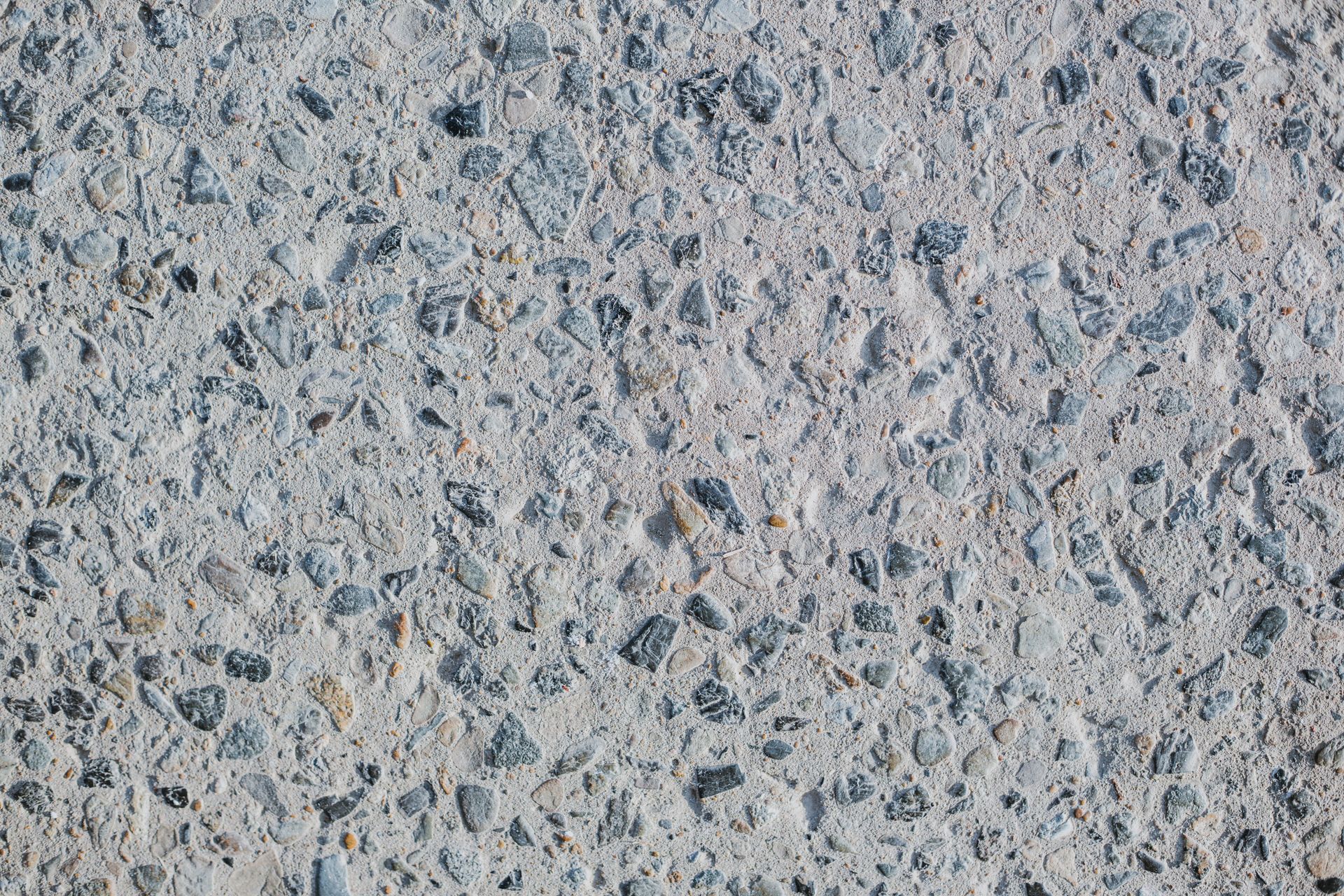
The Pros and Cons of Crumbling Concrete (Pueblo Concrete Can Help)

Grant Cool • March 30, 2026

You walk out your front door, grab the morning paper, and notice loose gravel scattered across your driveway. When you sweep the debris away, you realize the concrete itself is actually chipping, flaking, and falling apart. Watching your expensive driveway or patio slowly disintegrate feels incredibly frustrating. You paid good money for a hard, durable surface, but now it looks rough, neglected, and unsafe. At Pueblo Concrete, we see this exact scenario every single week. Crumbling concrete is a highly common issue that affects thousands of property owners, but it rarely happens by accident.


This destructive process occurs due to specific scientific reactions, environmental pressures, and sometimes simple human error. Ignoring the problem only allows the damage to spread deeper into the slab, turning a small repair into a massive headache. We want to help you understand exactly why your surfaces break down over time. In this guide, we will explore the common causes of concrete damage and weigh the pros and cons of addressing these repairs. Most importantly, we will show you exactly how our team at Pueblo Concrete provides the expert assessments and durable solutions you need to protect your property for decades to come.


What Causes Your Concrete to Crumble?

Concrete feels incredibly solid beneath your boots, but it actually contains millions of microscopic pores. It acts much like a dense, heavy sponge that constantly interacts with the surrounding environment. When harsh weather and chemicals mix with these tiny pores, massive structural problems begin to develop right under your feet. Understanding these threats is the first step in protecting your property.


The Brutal Freeze-Thaw Cycle

The weather plays a massive role in the overall health of your pavement. When it rains or snows, liquid water seeps directly into the invisible empty spaces inside your slab. If the outdoor temperature suddenly drops below freezing, that trapped water turns directly into solid ice. Water physically expands by roughly nine percent when it freezes.


This sudden expansion creates massive internal pressure inside your concrete slab. The pressure pushes outward aggressively against the rigid cement walls of the microscopic pores. This repeated cycle of freezing and thawing literally pushes the concrete apart from the inside out. Over the course of a single winter, your driveway might endure dozens of these damaging cycles. Eventually, the structural integrity fails completely, and the top layer begins to break off in small, dusty chunks.


Poor Installation and Mixing Mistakes

Sometimes, concrete is doomed to fail before the contractor even finishes pouring it. Pouring a durable slab requires a highly precise mixture of water, cement, sand, and gravel. If an inexperienced installer adds too much water to the wet mix, the final product becomes weak and incredibly porous. This excess water dilutes the crucial cement paste that binds the heavy rock aggregates together. While a wet mix flows easier and saves the installer physical labor, it guarantees a fragile driveway.


When the water finally evaporates during the curing process, it leaves behind massive voids. Additionally, poor finishing techniques cause major long-term problems for your property. If a contractor trowels the surface while it is still bleeding water, they trap a weak layer of moisture right at the top. Once this poorly installed concrete cures, the fragile top layer will quickly start scaling and crumbling under normal daily use.


Chemical Damage and Deicing Salts

Winter weather brings another major threat to your hardscaping: chemical damage. To combat slippery ice, many homeowners heavily apply rock salt and chemical deicers to their walkways. While these products successfully melt the ice, they aggressively attack the chemical bonds within the concrete itself. Certain chemicals literally dissolve the cement paste that holds the slab together. Furthermore, rock salt naturally draws moisture out of the air, keeping your concrete saturated with water for much longer periods.


This sustained high moisture level drastically accelerates the freeze-thaw damage we discussed earlier. You create a perfect storm of chemical degradation and internal physical pressure. This combination leads to rapid, severe surface deterioration that ruins the appearance of your property. Protecting your concrete means severely limiting its exposure to these harsh winter compounds.


The Pros and Cons of Addressing Crumbling Concrete

When you notice a damaged patio or driveway, you have an important choice to make. You can either ignore it, try a temporary DIY fix, or hire professionals for a permanent solution. Let us look at the pros and cons of actively addressing your crumbling concrete issues so you can make an informed decision for your home.


The Pros of Timely Concrete Repairs

The absolute biggest advantage of fixing your concrete immediately is saving your hard-earned money. Catching the damage early means we can often resurface or patch the area instead of charging you for a complete replacement. A full driveway replacement costs thousands of dollars more than a proactive repair service. Timely repairs also drastically improve the safety of your property. Loose gravel and deep pits create serious tripping hazards for your family and your guests.


Fixing the surface eliminates these dangers and protects you from potential liability issues if someone falls and gets hurt on your walkway. Finally, restoring your concrete instantly boosts your home's curb appeal. A smooth, flawless driveway creates a wonderful first impression for visitors and potential buyers. It signals that you take excellent care of your property and maintain your investments properly.


The Cons and Challenges of Repair Work

Addressing concrete issues does come with a few minor drawbacks that you should prepare for. First, professional repairs require an initial financial investment. While it costs far less than a total replacement, paying for professional labor and premium materials still impacts your monthly budget. Second, the repair process temporarily disrupts your daily routine. You will not be able to park your car on the driveway or use your patio while the new materials cure.


This inconvenience requires you to make alternative parking or entertaining arrangements for a few days. Lastly, finding a reliable contractor often feels overwhelming. The market is flooded with amateur handymen who lack the specialized skills required for permanent concrete restoration. You must spend time researching and vetting companies to ensure you get high-quality results. That is exactly why we strive to make the process as transparent and stress-free as possible here at Pueblo Concrete.


How We Help You at Pueblo Concrete

You do not have to watch your beautiful driveway turn into a dusty gravel pit. At Pueblo Concrete, we specialize in diagnosing, treating, and preventing severe concrete degradation. We offer a full suite of professional services designed to extend the life of your expensive hardscaping.


Expert Surface Assessments

We never guess when it comes to the structural health of your property. When you contact Pueblo Concrete, our skilled technicians perform a rigorous inspection of your crumbling concrete. We identify the specific root cause of the damage to ensure we provide the absolute best solution. We determine whether the deterioration stems from a bad initial pour, poor drainage, or chemical exposure. By understanding exactly why the concrete failed, we recommend a lasting solution rather than a temporary bandage. We explain our findings clearly and provide you with honest, actionable advice you can actually trust.


Durable, Lasting Repair Solutions

Our team uses commercial-grade resurfacing techniques and advanced polymer-modified overlays to repair your slab correctly. We carefully remove all the loose, decayed material until we reach a solid, stable foundation. We never apply new material over crumbling, weak concrete, as that guarantees a future failure. Next, we apply our specialized repair materials to seamlessly bond with your existing concrete structure. This highly engineered material features incredible tensile strength and extreme weather resistance. This process creates a strong, durable new surface that easily withstands heavy vehicle traffic and harsh weather.


Preventative Sealing Services

The absolute best way to handle crumbling concrete is to prevent it from happening in the first place. We offer premium sealing services to protect both new and newly repaired slabs. Our deep-penetrating sealers create an invisible, waterproof barrier deep inside the pores of the concrete. This advanced sealant effectively blocks moisture, repels corrosive deicing salts, and stops the freeze-thaw cycle completely. Water simply beads up on the surface instead of soaking into the slab. We highly recommend scheduling a professional sealing service every few years to ensure your concrete remains strong, smooth, and fully protected against the elements.


Protect Your Pavement With Us Today

Crumbling concrete lowers your property value, creates dangerous tripping hazards, and ruins your home's exterior appearance. Understanding the common causes of surface deterioration helps you take proactive steps to protect your investments. Whether you face minor surface flaking or severe structural damage, you need a trusted partner to restore your pavement.


Pueblo Concrete brings the extensive experience, specialized equipment, and premium materials required to bring your surfaces back to life. We take incredible pride in delivering long-lasting results that save our customers money and frustration. Do not wait for the next storm to destroy the rest of your slab. Contact Pueblo Concrete today to schedule your expert surface assessment. Let our dedicated team show you exactly how our repair and preventative sealing solutions can save your driveway. Reach out now, and take the first step toward a beautiful, durable concrete surface that lasts for years.


Meta Information

Meta title: Why Concrete Crumbles & How We Fix It | Pueblo Concrete
Meta description:
Discover the pros and cons of repairing crumbling concrete. Learn how Pueblo Concrete provides expert assessments, durable repairs, and concrete sealing.


You might also like
Coarse sea salt crystals scattered across a dark, textured slate surface.
By Grant Cool March 18, 2026
Winter storms bring freezing temperatures and dangerous, icy walkways right to your front door. When you step outside and slip on a frozen puddle, grabbing a heavy bag of chemical ice melt feels like the smartest immediate solution. You sprinkle the colored pellets across your driveway, watch the hard ice melt into slush, and feel a strong sense of relief. However, many property owners do not realize that choosing the wrong deicing chemical can permanently destroy their expensive pavement. Throwing harsh salts onto your driveway literally eats away at the surface over time. Within a few short seasons, you start noticing ugly cracks, crumbling edges, and deep pits across your once-smooth walkways. At Pueblo Concrete, we want to help you protect your valuable property from premature decay. Understanding how different deicing chemicals interact with your pavement saves you thousands of dollars in easily avoidable repairs. This comprehensive guide breaks down the pros and cons of the most common ice melts . We will also show you exactly how our professional team can help you defend your concrete all winter long. The Hidden Threat of the Freeze-Thaw Cycle Before we compare specific chemical compounds, you need to understand how winter weather actually destroys pavement. Concrete looks like a solid, impenetrable piece of rock. In reality, it acts much more like a hard, dense sponge. The entire surface contains millions of microscopic pores and tiny capillary channels. When snow melts, the resulting water seeps directly down into these invisible pores. If the outdoor temperature suddenly drops below freezing, that trapped water turns directly into solid ice. When water freezes, it physically expands by roughly nine percent. This sudden internal expansion creates massive structural pressure inside the slab. Eventually, this intense pressure causes the top layer of the concrete to pop off, chip, or flake away. Construction professionals call this destructive process spalling or scaling. Ice melts actively accelerate this terrible cycle. They artificially melt the ice during freezing temperatures, allowing the water to soak deep into the pores. When the chemical dilutes and the water refreezes, your driveway suffers the harsh consequences. Weighing Your Common Ice Melt Options Walk down the winter aisle at any local hardware store, and you will see dozens of different bags promising to melt ice instantly. While the packaging looks incredibly similar, the chemicals inside vary wildly. Let us break down the specific pros and cons of the three most popular options on the market. Rock Salt (Sodium Chloride) Rock salt remains the most widely used and recognizable deicer in the world. Cities use massive dump trucks to spread tons of it onto public highways every single winter. It contains the exact same chemical makeup as the salt sitting on your dining room table, just in a much larger, unrefined format. The absolute biggest advantage of rock salt is the incredibly low price tag. It costs significantly less than any other chemical alternative on the hardware store shelf. You can buy it in bulk practically anywhere, making it highly accessible during a sudden, unexpected winter storm. The large, chunky granules also provide excellent physical traction under your boots as the chemical slowly melts the ice around it. Unfortunately, rock salt stands out as the absolute worst choice for your residential concrete surfaces. It is highly corrosive and aggressively attacks the metal rebar hidden deep inside your driveway. Furthermore, rock salt completely stops working when the temperature drops below 15 degrees Fahrenheit. It also severely damages your grass, kills expensive landscape plants, and burns the sensitive paws of your family pets. Calcium Chloride When commercial property owners want serious melting power, they usually turn to calcium chloride. This chemical typically comes in white, round pellets and generates intense physical heat when it makes contact with ice. It acts as a premium deicing product and remains heavily favored by professional maintenance crews. Calcium chloride acts incredibly fast. Because it creates its own heat, it melts through thick, stubborn ice patches in a matter of minutes. It also works in extreme, punishing weather conditions. This powerful chemical continues to melt ice even when the outside temperature plunges all the way down to negative 25 degrees Fahrenheit. This aggressive performance naturally comes with several major drawbacks. First, it costs significantly more money than standard rock salt. Second, calcium chloride often leaves a slippery, oily residue on your concrete after the water finally evaporates. Finally, because it melts ice so rapidly, it dramatically increases the number of freeze-thaw cycles your driveway experiences, which ultimately leads to severe surface scaling. Magnesium Chloride Over the last decade, magnesium chloride has gained massive popularity as a highly balanced, middle-ground option. It usually comes in flat flakes or round pellets. It acts similarly to calcium chloride by drawing moisture directly from the air to speed up the melting process. Magnesium chloride is widely considered the safest traditional ice melt for your residential property. It acts significantly less corrosive to concrete and metal than standard rock salt. It also poses a much lower risk to your lawn, your garden, and your local groundwater supply. Veterinarians frequently recommend this specific option because it will not burn your dog's paws during a winter walk. While it is much safer, magnesium chloride requires you to apply more physical product to achieve the exact same melting power as calcium chloride. Buying this extra product naturally makes it quite expensive over the course of a long winter. Additionally, its melting capabilities completely stop when the temperature drops below zero degrees Fahrenheit. Smart Application Habits to Protect Your Pavement Even if you choose a safer chemical, you must fundamentally change how you apply ice melt. Poor application habits cause just as much damage as the harsh chemicals themselves. Following a few simple rules helps minimize the environmental impact on your property. First, always shovel the snow before applying any chemical product. Ice melt is designed specifically to break the tight bond between the ice and the concrete, not to melt three inches of fluffy snow. Shoveling the bulk of the precipitation away guarantees the chemical works exactly as intended. Second, use a mechanical walk-behind spreader instead of throwing handfuls from a plastic cup. A spreader ensures an even, light application and prevents you from dumping toxic piles of chemicals in one localized spot. This strategy protects the concrete and saves you money on excess product. Finally, consider mixing your chosen ice melt with plain construction sand. The sand provides immediate physical traction for your heavy winter boots and your vehicle tires. This simple strategy allows you to use significantly less chemical product while still maintaining a safe, slip-free walking surface for your family and guests. How Pueblo Concrete Defends Your Driveway Choosing the right ice melt represents just one small part of proper winter maintenance. Even the safest chemicals cause gradual wear and tear over a period of several years. You need a highly proactive strategy to keep your driveways, patios, and walkways looking brand new. At Pueblo Concrete, we provide the expert services and professional guidance you need to survive the harsh winter months. We do not just pour new driveways; we help you actively protect the expensive investments you have already made. Our team focuses on long-term structural health. Professional Concrete Sealing The absolute best way to protect your concrete from ice melts and freezing water is professional sealing. Think of a premium concrete sealer as a heavy-duty raincoat for your driveway. Our skilled technicians apply advanced, commercial-grade penetrating sealers to all of your exterior surfaces. These highly advanced sealers dive deep into the microscopic pores of the concrete slab. They create a powerful waterproof barrier that blocks melted snow and liquid chemicals from soaking into the surface. When water cannot penetrate the pavement, the destructive freeze-thaw cycle simply cannot occur. We highly recommend scheduling a sealing service every few years before the first winter snow falls. Expert Repairs and Maintenance If your driveway already shows clear signs of winter damage, you must not panic. However, ignoring small cracks and minor flaking will only allow the expanding ice to cause much deeper structural problems next year. Pueblo Concrete specializes in repairing and restoring weather-damaged surfaces safely and effectively. Our experienced crews carefully evaluate the full extent of the spalling and scaling. We easily patch deep cracks, resurface pitted areas, and restore the vital structural integrity of your slab. By addressing these minor issues immediately, we stop the decay from spreading and save you from the massive expense of a complete driveway replacement. Take Action to Protect Your Concrete Today Winter weather remains brutal, unforgiving, and completely unavoidable. Every time you spread a thick layer of chemicals across your property, you risk damaging your expensive hardscaping. Understanding the critical differences between rock salt, calcium chloride, and magnesium chloride empowers you to make smarter, safer choices for your home. You do not have to fight the harsh winter weather alone. Pueblo Concrete possesses the local expertise, premium materials, and specialized equipment required to keep your surfaces fully protected. We remain fully committed to helping you maintain a safe, beautiful, and long-lasting property year after year. Do not wait until your driveway starts crumbling into sharp pieces. Contact Pueblo Concrete today for professional advice on winter maintenance and to schedule your preventative concrete sealing service. Let our highly trained team provide the lasting solutions you need to conquer the cold weather with complete confidence. Meta Information Meta title: Safest Ice Melts for Concrete | Pueblo Concrete Meta description: Discover the pros and cons of rock salt, calcium chloride, and magnesium chloride. Learn how Pueblo Concrete protects your surfaces from winter damage.
Air bubbles coming up through the ocean
By Grant Cool March 14, 2026
Watching a heavy cement truck pour fresh concrete onto a project site is a fascinating experience. The heavy, fluid material flows into the wooden molds, and workers quickly spread it around with large shovels and rakes. To the untrained eye, this process looks incredibly simple. You just pour the mix, smooth the top, and wait for it to dry. Unfortunately, creating a durable, long-lasting concrete slab requires much more than just pushing wet material around. When fresh concrete flows out of the mixer, it naturally traps hundreds of hidden air pockets within the heavy paste. If these air bubbles stay trapped inside the mix as it cures, they create microscopic weak spots. Over time, these invisible voids lead to severe crumbling, surface scaling, and deep structural cracks. To solve this massive problem, construction professionals rely on a specialized, powerful tool known as a concrete vibrator . We want you to understand exactly how we build surfaces that last for decades in the harsh Colorado climate. At Pueblo Concrete, we believe that an educated property owner makes the absolute best decisions for their home or business. This comprehensive guide will explain the science behind concrete consolidation, the pros and cons of vibrators, and how our team guarantees a flawless finish. By the end of this post, you will know exactly why this tool is critical for your next paving project. What Exactly Is a Concrete Vibrator? Before we dive into the specific pros and cons, we need to understand how this equipment actually works. A concrete vibrator is a heavy-duty mechanical tool used immediately after contractors pour wet concrete into the formwork. The most common type features a rapidly vibrating metal cylinder, often called a "poker" or "head," attached to a powerful motor. Construction workers plunge this vibrating head directly into the deep, wet concrete mix. The intense, rapid vibrations send powerful shockwaves throughout the heavy, fluid material. These shockwaves temporarily liquefy the stiff concrete paste. This temporary liquid state allows the heavy aggregate stones to settle deeply and tightly into the mold. The construction industry uses several different types of vibrators depending on the job. Internal vibrators plunge straight into the wet mix and work best for driveways and deep foundations. External vibrators attach directly to the outside of the wooden formwork, shaking the entire mold to settle the concrete. The specific tool a contractor chooses depends entirely on the depth, shape, and scope of your unique project. The Undeniable Pros of Using a Concrete Vibrator When used correctly by a highly trained professional, a concrete vibrator transforms a weak, mediocre pour into a rock-solid masterpiece. This tool provides structural and aesthetic benefits that simple hand-troweling can never achieve. Here is exactly why the best contractors never leave this essential tool off the truck. Unmatched Structural Strength The primary goal of any concrete pour is long-lasting structural strength. Concrete naturally contains a specific ratio of water, cement powder, and air. When you first pour the mix, the heavy aggregates like crushed stone and sand tend to bind together loosely. A concrete vibrator forces these heavy materials to settle tightly together. This physical process, known strictly as consolidation, drastically increases the overall density of the finished slab. A dense, tightly packed slab can hold significantly more weight without buckling or cracking under the pressure. If you are pouring a heavy-duty driveway for large vehicles, this increased structural integrity is completely non-negotiable. Elimination of Hidden Air Pockets As we mentioned earlier, trapped air acts as the silent killer of concrete surfaces. When thick concrete folds over itself during the pouring process, it traps large, irregular pockets of air. These air pockets, often called "honeycombing" by industry professionals, create hollow voids deep inside the cured slab. When heavy rain or melting snow seeps into these hidden voids during freezing winter months, the water turns to ice and expands. This internal pressure literally shatters the concrete from the inside out. The intense, rapid shaking of a concrete vibrator forces these trapped air bubbles to quickly rise to the surface and escape. Eliminating these voids protects your slab from catastrophic water damage. A Flawless, Professional Surface Finish Structural strength remains critical, but aesthetic appeal matters just as much to homeowners and business operators. When you pour a new patio or a decorative backyard walkway, you expect a smooth, pristine surface. Trapped air bubbles often sit right against the edge of the wooden formwork during a pour. When contractors remove the wooden forms from an unvibrated pour, the edges look pitted, rough, and highly unprofessional. A concrete vibrator pushes the wet, creamy cement paste right to the outer edges of the formwork. When the crews finally strip the molds away, you are left with sharp, clean, and visually stunning edges that instantly boost your property's curb appeal. The Cons and Challenges to Consider While the structural and visual benefits are incredibly impressive, concrete vibrators are certainly not magic wands. They are powerful, aggressive, and highly sensitive tools that require serious skill to operate. Handing a heavy concrete vibrator to an amateur often causes significantly more harm than good. The Danger of Improper Technique The absolute biggest drawback of a concrete vibrator is the steep learning curve required to use it safely. If an untrained worker leaves the vibrating head in the wet mix for too long, the concrete physically separates. The construction industry calls this destructive process "segregation." During segregation, the heavy crushed stones sink straight to the bottom of the slab. The weak, watery cement paste quickly rises to the very top. When the surface finally cures, it becomes incredibly brittle and will begin flaking and chipping off almost immediately. Knowing exactly how long to vibrate the mix requires years of hands-on experience and a deep understanding of fluid dynamics. Increased Equipment and Labor Costs Professional-grade concrete vibrators are highly expensive pieces of construction equipment. They require regular mechanical maintenance, specialized power sources, and careful handling between job sites. Purchasing or renting this heavy equipment naturally adds a significant upfront cost to any paving project. Furthermore, using a vibrator requires an extra set of hands on the active job site. While one worker pours the heavy mix and another smooths the surface, a dedicated worker must operate the vibrator in real-time. This additional labor increases the total price of your project. However, skipping this vital step just to save a few dollars always results in massive repair bills down the road. Risk of Severe Formwork Damage Concrete vibrators generate an immense amount of physical force in a very short amount of time. If a worker accidentally touches the rapidly vibrating metal head to the wooden formwork or the internal steel rebar, sudden disaster can strike. The intense vibrations easily snap weak wooden forms, causing a complete blowout of the wet concrete across your lawn. If the vibrator hits the steel rebar, it can shake the heavy metal loose from its precise, calculated position. This severely compromises the internal tensile strength of the entire slab. The operator must possess a very steady hand to avoid these expensive, messy mistakes. How Pueblo Concrete Ensures Perfect Results Pouring fresh concrete represents a massive financial investment in your residential or commercial property. You should never leave the longevity and safety of that investment to chance. At Pueblo Concrete, we bring years of specialized experience and top-tier equipment to every single job site we manage. Applying Expert Technique and Equipment Our highly trained crews deeply understand the strict, unforgiving science of concrete consolidation. We know exactly which type of vibrator to use for your specific project requirements. Whether we are pouring a thin, elegant backyard patio or a massive, deep commercial building foundation, we always bring the exact right tools for the job. We rigorously train our heavy equipment operators to recognize the exact moment when the concrete becomes perfectly consolidated. We watch the wet surface closely, completely stopping the vibration the second the air bubbles stop rising to the top. This meticulous, careful attention to detail actively prevents segregation and guarantees a rock-solid, uniform slab from top to bottom. Protecting Your Property and Investment We do not just show up, turn on the machines, and start pouring concrete blindly. We meticulously engineer our wooden formwork to easily withstand the intense pressure of both the heavy concrete and the powerful mechanical vibrations. We secure every single piece of steel rebar firmly in place so it never shifts or sinks during the intense consolidation process. By taking these critical, preventative measures, we actively protect your property from blowouts, internal honeycombing, and brittle surface flaking. We treat the unseen structural steps with the exact same respect and care as the final decorative finish. When you trust our team with your project, you gain the absolute peace of mind that your new slab is built to survive the harsh local elements. Make Your Next Pour a Complete Success Understanding the specific tools and techniques behind your construction project empowers you to demand the best quality possible. A concrete vibrator serves as a vital instrument that dictates the entire lifespan of your new surface. It effectively forces out destructive air pockets, creates incredible material density, and consistently delivers a flawless aesthetic finish. However, this incredibly powerful tool requires a masterful, experienced touch. Amateur mistakes frequently lead to brittle surfaces, ruined wooden formwork, and expensive do-overs. You need a trusted local partner who truly respects the science of the slab and never cuts corners. Do not leave your next major construction project to guesswork or inexperienced, unverified contractors. Contact Pueblo Concrete today for a professional consultation and a completely transparent estimate. Let our highly skilled team provide the expert guidance and flawless execution you need for a truly permanent, beautiful result. Meta Information Meta Title: Concrete Vibrators: Pros, Cons & Expert Tips Meta Description: Discover the pros and cons of concrete vibrators. Learn how Pueblo Concrete ensures stronger, flawless slabs with expert consolidation techniques.
Construction worker using tools on a concrete form
By Grant Cool March 6, 2026
You pull into a perfectly smooth driveway. You relax on a beautifully stamped backyard patio. You walk into a commercial building without giving the floor a second thought. We interact with finished concrete every single day. Yet, most people never see the crucial step that makes these surfaces strong, level, and long-lasting. Long before a cement truck arrives at your property, a construction crew spends hours preparing the site. They measure, dig, and build wooden or metal frames along the ground. This hidden preparatory phase is called concrete forming . At Pueblo Concrete, we know that a high-quality slab starts with exceptional preparation. Pouring wet concrete without a proper mold is a recipe for a structural disaster. We want our homeowners and business clients to understand exactly what goes into a successful paving project. This guide breaks down the essential role of formwork and explains why we never cut corners during this critical phase. What Is Concrete Formwork? Concrete forming is the process of building a temporary mold to hold wet concrete. When concrete first leaves the mixer, it is a heavy, fluid material. It has no shape of its own. It will simply spread out and sink into the dirt if left uncontained. You can think of formwork like a baking pan. If you pour liquid cake batter directly into your oven, you will just end up with a huge mess. The pan gives the batter its shape and contains it while it bakes. Formwork performs the exact same function for your driveway, patio, or foundation. Contractors build these temporary molds using a variety of materials. For a standard residential sidewalk, we might use simple wooden planks secured with steel stakes. For a massive commercial foundation, we rely on heavy-duty engineered metal systems. Regardless of the material, the formwork holds the liquid concrete perfectly in place while it cures and hardens into solid rock. The Crucial Role of Forming in Construction Building formwork requires precise math, sharp tools, and a lot of hard work. Our crews spend significant time measuring and staking boards into the Colorado soil. This meticulous effort is necessary because the forms dictate the entire future of your concrete slab. Shaping Your Custom Vision Concrete is an incredibly versatile building material. It can take on almost any shape you can imagine. However, it requires the right mold to make that shape a reality. Formwork creates the crisp, clean edges that give a new driveway its professional appearance. It also allows us to get creative with your outdoor spaces. We use specialized, flexible forming materials to create elegant curves and custom designs. If you want a winding garden pathway or a circular fire pit area, the formwork is the physical blueprint that makes it happen. Holding the Heavy Load Wet concrete is remarkably heavy. A single cubic yard of the wet mix weighs roughly 4,000 pounds. When we pour multiple yards for a large project, that fluid material pushes outward with an immense amount of force. Your formwork must be incredibly strong to withstand this lateral pressure. If a contractor uses weak stakes or thin boards, the heavy concrete will push the forms outward. In the worst cases, the mold bursts open entirely. This is called a blowout, and it ruins the slab while wasting expensive materials. We engineer our forms to hold thousands of pounds securely, preventing blowouts and ensuring a perfect pour. Directing Water and Drainage Formwork does much more than hold the wet mix in place. It also dictates the final slope of your surface. Water is the natural enemy of any building's foundation. If a concrete slab is perfectly flat, rainwater will pool directly in the center. Standing water eventually degrades the surface of the concrete. During Pueblo's freezing winter nights, that trapped water turns to ice, expanding and cracking the slab. We use formwork to establish a precise, calculated grade. We angle the boards slightly so that water always drains safely away from your home. This vital step protects your property and extends the lifespan of your concrete. How Pueblo Concrete Uses Forming for Perfect Results Every property in Pueblo has unique soil conditions, drainage challenges, and load requirements. You cannot use a generalized approach when dealing with heavy structural materials. Pueblo Concrete brings years of specialized local experience to every job site. Building Durable Driveways Your driveway takes a daily beating. It must support the weight of multiple family vehicles, delivery trucks, and sometimes heavy RVs. We engineer our driveway formwork to ensure the concrete cures at the exact thickness needed to handle these extreme loads without cracking. We also pay close attention to the approach where your driveway meets the city street. We meticulously grade the soil and set the forms to create a smooth, seamless transition. This careful attention to detail prevents future cracking near the curb and promotes excellent water runoff. Crafting Perfect Patios and Walkways A new patio should be a relaxing oasis, not a tripping hazard. When Pueblo Concrete forms a residential patio, we prioritize both safety and aesthetics. We ensure every straight edge aligns perfectly and every curve flows smoothly into your landscaping. We build forms that integrate seamlessly with your yard, protecting your lawn and garden beds during the pour. Whether you want a standard broom finish or a highly decorative stamped surface, our precise formwork sets the perfect stage for a beautiful outdoor living area. Pouring Rock-Solid Foundations The foundation is the most critical component of any residential or commercial building. If the foundation is out of level by even a fraction of an inch, the entire structure suffers. Framing walls becomes difficult, doors will not close properly, and the building's structural integrity drops. We treat foundation forming with the utmost seriousness. Our crews use advanced laser leveling technology to establish a perfectly flat perimeter. We brace the forms heavily to ensure they do not shift a single millimeter during the massive pour. When you trust us with your foundation, you gain the peace of mind that your building rests on a flawless base. The Dangers of Cutting Corners Attempting to pour concrete without professional formwork is a gamble that always ends poorly. Poorly constructed forms lead to a cascade of expensive structural problems. If the ground beneath the forms is soft and uncompacted, the heavy concrete will sink. If the stakes are placed too far apart, the boards will warp under pressure, leaving your driveway with wavy, unattractive edges. The most common issue with amateur forming is poor drainage planning. If the forms do not create a proper slope, you will end up with a giant puddle on your patio every time it rains. Fixing these mistakes usually requires tearing out the entire slab with heavy machinery and starting over. Hiring professionals from the very beginning saves you time, money, and endless frustration. Build Your Next Project on a Solid Base Your concrete surfaces represent a major financial investment in your property. They provide essential structural support, elevate your curb appeal, and create highly functional spaces for your family or customers. You should never leave the longevity of this investment to chance by ignoring the importance of proper preparation. Concrete forming is the critical first step that guarantees a strong, durable, and beautiful result. It requires precise mathematical measurements, an understanding of physical weight, and a commitment to high-quality craftsmanship. Are you planning a new construction project or looking to upgrade your property's exterior? Partner with a local team that respects the science of the slab. Contact Pueblo Concrete today for a professional consultation and estimate. Let our experienced crews provide the expert forming and construction services you need to build a surface that will truly stand the test of time. Meta Information Meta Title: The Hidden Strength: Why Concrete Forming Matters Meta Description: Discover why concrete forming is the critical first step for durable driveways, patios, and foundations. Learn how Pueblo Concrete ensures perfect results.
More Posts

Request a Quote

Contact Us