How Pueblo Concrete Can Help You Add Beautiful Concrete Planters to Your Home
Your outdoor spaces deserve the same care and attention as the inside of your home. Whether your patio feels too bare, your front entry lacks visual interest, or your garden beds need more definition, concrete planters offer a practical and attractive solution. At Pueblo Concrete, we help homeowners find the right materials, designs, and guidance to bring outdoor spaces to life with planters built to last.
Why Concrete Planters Make Sense for Your Home
Walk through any home improvement store and you will find shelves full of plastic, resin, wood, and terracotta planters. They all look decent at first, but most of them share the same problem — they break down fast. Plastic cracks in the sun, wood rots from moisture, and terracotta chips after a single hard freeze.
Concrete planters are a different story.
They Hold Up Season After Season
Outdoor conditions are tough. Intense heat, cold nights, and heavy rain test every material you put outside. Concrete handles all of it without degrading. Your planter will not fade, warp, crack, or fall apart after a couple of seasons. Invest in a concrete planter once and you will not be replacing it anytime soon.
They Stay Stable
Tall ornamental grasses, climbing plants, and large shrubs grow heavy over time. Lightweight containers tip in the wind or topple from a bump. Concrete stays grounded. That natural weight keeps your plants upright and safe, especially near walkways, steps, and high-traffic areas around your home.
They Work With Any Design Style
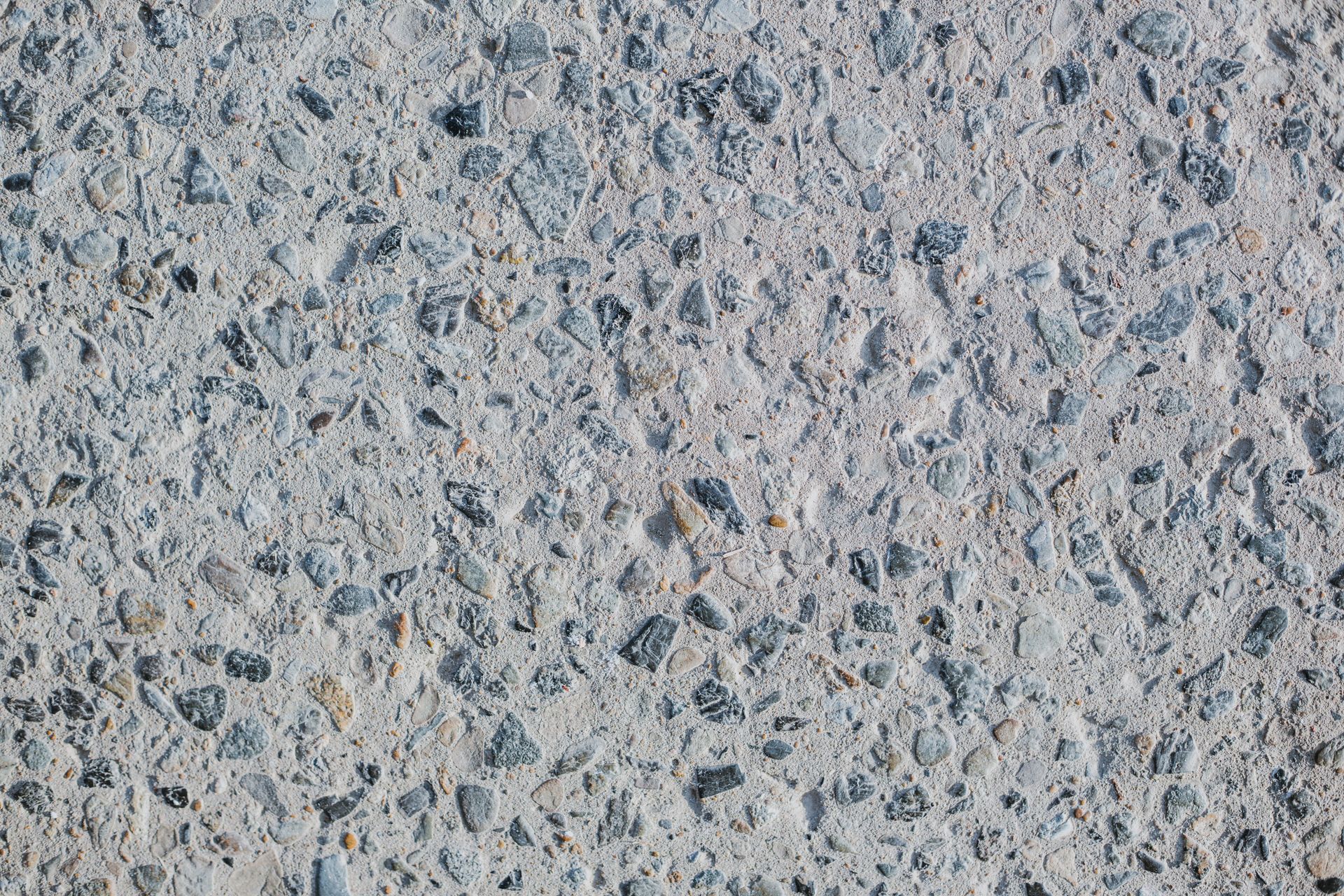
Concrete is not locked into one look. You can finish it smooth for a clean, modern feel, or texture it to resemble natural stone. You can tint it to complement your home's exterior or pick a contrasting shade that makes your plants stand out. From contemporary to cottage-style, concrete planters adapt naturally to whatever design direction you prefer.
They Support Healthier Plants
Concrete breathes slightly, which helps regulate soil moisture and reduces the risk of root rot in plants that need well-drained conditions. It also insulates roots from dramatic temperature swings better than thin plastic or metal containers. Many plants genuinely thrive in concrete planters because the material creates a more stable growing environment.
Practical Ideas for Using Concrete Planters Around Your Home
The right planter in the right spot makes a real difference. Here are some of the most effective ways to use concrete planters throughout your property.
Patios and Outdoor Living Spaces
A patio without greenery tends to feel flat and uninviting. Concrete planters let you bring plants into your seating and dining areas without committing to permanent construction. Use a pair of large planters to frame a seating arrangement or define the boundary of your outdoor room. Cluster smaller planters near a grill station or fire pit to soften the space and add texture. Mixing container sizes adds visual depth. Wide, shallow planters with low trailing plants alongside taller containers filled with grasses or bold flowering plants create a layered look that feels thoughtfully put together.
Entryways and Front Walkways
Your front entry is the first thing visitors see. A pair of matching concrete planters on either side of your front door immediately makes your home feel more polished and welcoming. Choose plants with year-round appeal — dwarf evergreens for consistent structure, annuals for seasonal bursts of color — and your entry looks great no matter the time of year. Along a walkway, evenly spaced planters create a natural rhythm that guides people toward your front door while improving your home's overall curb appeal.
Garden Beds and Yard Borders
Concrete planters work beautifully within garden beds, not just beside them. Place a planter inside an existing bed to lift a favorite specimen plant above the surrounding ground level. This creates visual contrast and draws the eye where you want it. Wide, low planters also function as effective garden borders. They hold soil in place, block spreading plants, and give your yard a structured edge that looks maintained between gardening sessions.
Courtyards and Enclosed Outdoor Areas
In courtyards, side yards, or enclosed outdoor rooms, concrete planters perform especially well. They do not absorb moisture or deteriorate in shaded, humid conditions the way wood and certain composites do. Large planters filled with tall grasses or leafy plants can also act as natural screens, adding privacy without requiring permanent fencing or walls.
Picking the Right Plants for Concrete Planters
Concrete planters suit a wide range of plants, but some thrive particularly well in container-grown conditions:
- Succulents and drought-tolerant plants — do well in the slightly drier soil environment concrete promotes
- Herbs like rosemary, lavender, and thyme — love the warm, well-drained conditions concrete provides
- Ornamental grasses — make a strong visual statement in large, deep planters and provide year-round interest
- Seasonal annuals like petunias, marigolds, and zinnias — add vibrant color to smaller containers through spring and summer
- Dwarf shrubs and shaped plants — create lasting structure near entryways and seating areas
A simple rule to keep in mind: choose a planter size based on your plant's mature root depth, not just how small it looks now. Giving roots room to grow from the start produces healthier plants and saves you the hassle of repotting too soon.
Mistakes Worth Avoiding
A good planter idea can go sideways without a little planning. These are the most common issues to watch for:
No drainage. Water that cannot escape pools at the bottom of your planter and rots roots. Always account for drainage holes in your design before you fill a planter with soil.
Container too small. A planter that cramps the roots dries out quickly and limits plant growth. Think about mature plant size when you choose dimensions.
Wrong soil type. Standard garden soil compacts in containers and restricts airflow to roots. Use a quality potting mix designed for container growing to keep plants healthy.
Ignoring weight on elevated surfaces. Concrete planters are heavy, especially once filled with soil. If you plan to place them on a deck or elevated platform, check that the structure can handle the load before you finalize your placement.
How Pueblo Concrete Supports Your Project
At Pueblo Concrete, we bring hands-on local knowledge to every project. We help you think through sizing, placement, and finishing options so your planters work with your home's existing design rather than clash with it. We supply quality materials built to handle local weather conditions, and we can guide you through the planning process from your first idea to a finished result you are proud of. If your planter project connects to a broader outdoor upgrade — a new patio, garden borders, a decorative walkway — we can help you plan those elements together so everything looks cohesive and intentional.
Let's Make Your Outdoor Space Work Harder
Concrete planters are one of the most rewarding upgrades you can make to your home's outdoor spaces. They last longer than the alternatives, perform well across every season, and adapt to virtually any design style you have in mind. Contact Pueblo Concrete today to talk through your concrete planter ideas. Our team will provide the materials, honest guidance, and local expertise you need to create an outdoor space that looks great and holds up for years to come.
You might also like