Why Concrete Stepping Stones Belong in Your Yard: Insight from Pueblo Concrete

Grant Cool • June 11, 2026

A great yard is about more than grass and flower beds. It is about how you move through the space, where your eye travels, and how easy it feels to actually use every part of your property. Concrete stepping stones handle all three at once. If your lawn keeps wearing into a muddy path, your garden lacks a clear route, or your backyard feels like a set of disconnected zones, stepping stones offer a simple, lasting fix. At Pueblo Concrete, we help homeowners design and place concrete stepping stones that look sharp, hold up for decades, and bring real function to every corner of the yard.


Here is what you will learn:

  • Why concrete stepping stones outperform other materials
  • The biggest benefits, from durability to accessibility
  • Smart placement ideas for gardens, lawns, and patios
  • How Pueblo Concrete supports your project from start to finish


Why Concrete Is the Right Choice for Stepping Stones

You have plenty of options when it comes to stepping stones — natural flagstone, brick, gravel, even wood rounds. They all have a place, but most come with trade-offs. Flagstone gets expensive and often sits unevenly. Wood rots. Gravel shifts and scatters. Brick chips and works loose over time. Concrete sidesteps those problems.


Built to Last for Decades

Concrete stepping stones stand up to heat, freezing temperatures, heavy foot traffic, and constant moisture without breaking down. They will not rot, warp, or wash away. Once they are set properly, you have a feature that holds its shape and function for years with almost no attention.


Almost No Maintenance Required

Wood needs sealing. Gravel needs raking and refilling. Concrete stepping stones need an occasional rinse and not much else. For homeowners who want a great-looking yard without adding another weekend chore, that low-maintenance quality is tough to beat.


Safer, More Stable Footing

Loose materials shift underfoot, which becomes a real hazard over time. Properly installed concrete stepping stones stay put. That stability matters for kids, older family members, and anyone carrying groceries or garden tools across the yard.


The Real Benefits of Adding Stepping Stones

Stepping stones do far more than fill empty space. They change how your whole yard works.


They Define Your Walkways

An unmarked route across a lawn turns into a muddy, worn strip over time. Stepping stones give that path structure and intention. They tell people where to walk, protect your grass from constant traffic, and make the entire yard feel more organized.


They Improve Accessibility

Crossing a wet lawn or a soft garden bed is awkward and messy. A line of stepping stones gives you stable, dry footing from point A to point B — whether that is the shed, the garden, the side gate, or the back patio. You can move through your yard comfortably in any season.


They Add Visual Appeal

Concrete is more versatile than most people expect. You can finish it smooth for a clean, modern look or stamp and texture it to resemble natural stone. Integral tinting runs color all the way through the material, so it never peels or fades. Stepping stones can match your patio, complement your home's exterior, or create a deliberate contrast against your greenery.


They Connect Your Outdoor Spaces

A backyard often feels like a collection of separate areas — patio here, garden there, fire pit in the corner. Stepping stones tie those zones together into one cohesive landscape, guiding both the eye and the foot smoothly from one space to the next.


Smart Ways to Use Concrete Stepping Stones Around Your Yard

The right stones in the right spot transform how an outdoor space feels and functions. Here are the placements that consistently deliver the most value.


Garden Paths

Stepping stones let you walk through garden beds without compacting soil or trampling plants. Set them between rows so you can tend, weed, and harvest with clean, dry footing. Curved paths feel natural and relaxed, while straight runs read as more formal and structured.


Side Yards

Side yards take a beating. They are narrow, often shaded, and prone to mud where everyone walks the same line. A run of stepping stones turns that overlooked strip into a clean, usable passage between your front and back yards — no more muddy shoes or worn-out grass.


Lawn Paths

A series of evenly spaced stones across an open lawn creates a defined route that protects your grass and adds visual rhythm. Space them to match a comfortable, natural stride so the path feels effortless to walk. This is one of the simplest upgrades for a yard that sees daily foot traffic.


Patios and Transitions

Stepping stones bridge the gap between a patio and the rest of the yard beautifully. Use them to lead from a back door to a seating area, or from the patio edge out to a garden or fire pit. They create a smooth, intentional transition instead of an abrupt drop-off into the lawn.


Backyard Landscapes

In larger backyards, stepping stones connect everything — the shed, the vegetable garden, the play area, the gathering spots. They turn a scattered set of zones into a landscape that flows. Mixing stone sizes and spacing adds character and keeps the design from feeling rigid.


Avoiding Common Stepping Stone Mistakes

A few small oversights can turn a great idea into a frustrating one. Watch for these before you start.

  • Skipping a proper base. Stones set directly on loose soil sink and tilt over time. A compacted base of sand or gravel keeps them level and stable for the long haul.
  • Spacing them wrong. Stones placed too far apart force an awkward stride; too close and the path feels cluttered. Match the spacing to a comfortable, natural step.
  • Setting them too high. Stones that sit above lawn level become trip hazards and make mowing a chore. Set them flush with the surrounding grass for easy upkeep.
  • Choosing the wrong size. A path that gets heavy traffic needs larger, more stable stones than a decorative garden accent. Think about how the path will actually be used.

Getting these details right from the start saves time, money, and frustration down the road.


How Pueblo Concrete Supports Your Project

At Pueblo Concrete, we bring hands-on local knowledge to every project. We help you think through layout, spacing, sizing, and finish so your stepping stones complement your yard rather than feel like an afterthought. We supply quality materials built to handle local weather conditions, and we guide you through the planning process from your first idea to a finished result you are proud of. If your stepping stone project connects to a bigger outdoor upgrade — a new patio, a garden border, a decorative walkway — we can help you plan those pieces together so everything works as one cohesive design. We are not just a materials supplier. We are your local partner at every step of the project.


Build a Yard That Works Beautifully

Concrete stepping stones are one of the most practical and rewarding upgrades you can make to your yard. They outlast the alternatives, ask almost nothing in maintenance, and bring both function and polish to your outdoor space. Whether you want a simple garden path or a complete network connecting your whole backyard, the right stepping stones make daily life easier and your landscape more inviting. Contact Pueblo Concrete today to talk through your concrete stepping stone ideas. Our team will provide the materials, honest guidance, and local expertise you need to create a yard that looks great and holds up for years to come.


Meta Title: Why Concrete Stepping Stones Belong in Your Yard | Pueblo Concrete

Meta Description: Discover the benefits of concrete stepping stones and smart placement ideas. Contact Pueblo Concrete for expert guidance on your yard upgrade.


You might also like
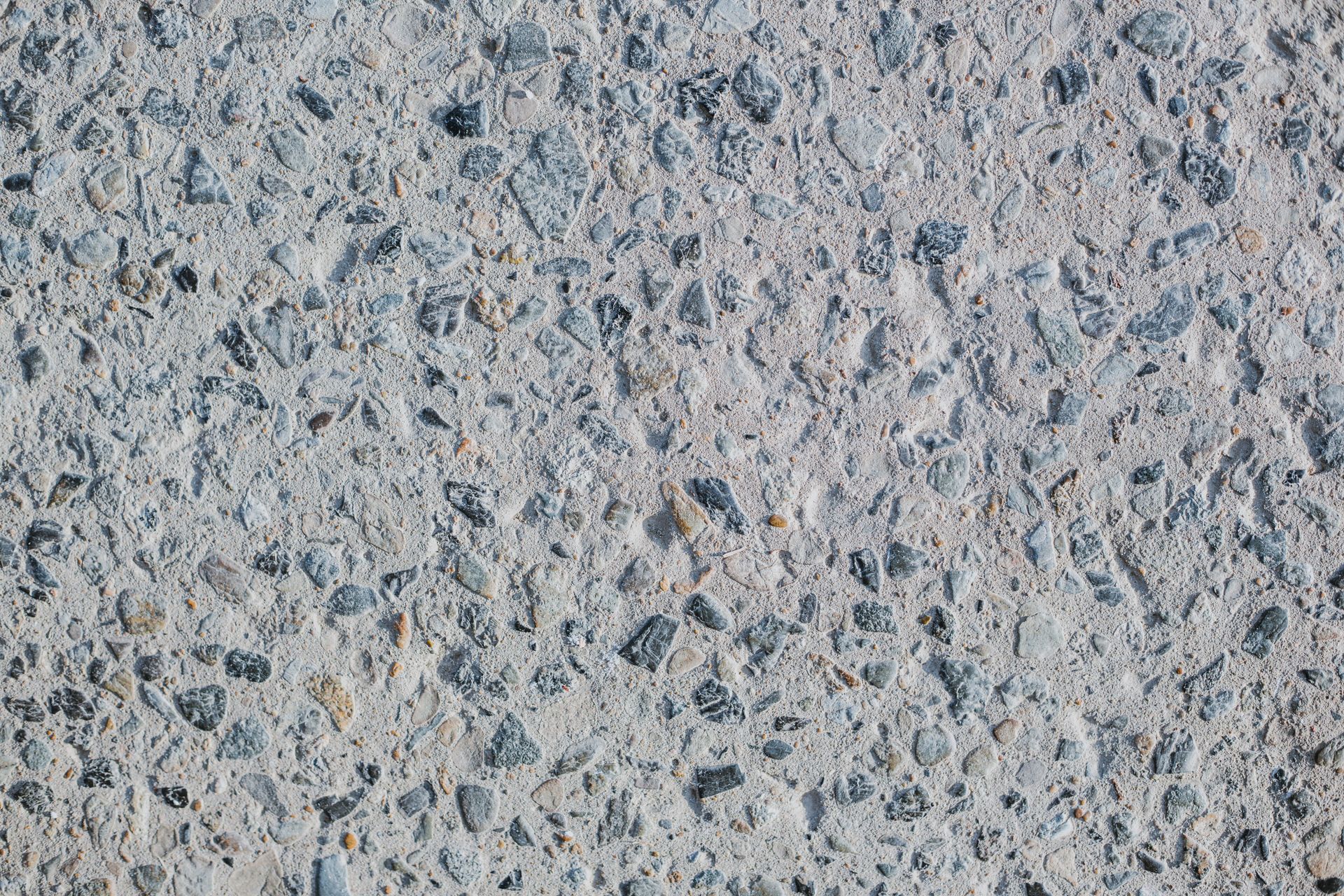
Close-up of a gray and blue speckled stone or concrete surface
By Grant Cool August 9, 2026
What if your driveway could look like natural stone but hold up like a heavy-duty slab? That's the promise of exposed aggregate concrete , and it's one of the most rewarding upgrades you can make to an outdoor space. Instead of a flat gray surface, you get a finish rich with color, texture, and character that fits right into any home. At Pueblo Concrete, we believe good decisions start with clear information. So before you pour a single yard, here's the honest breakdown of what exposed aggregate is and whether it belongs on your property. By the end of this guide, you'll understand how the finish is built, the benefits that set it apart, where it works best, and the mistakes worth avoiding—enough to plan your project with real confidence. What Is Exposed Aggregate Concrete? Every batch of concrete contains aggregate: the stones, pebbles, and sand that give it strength and body. In a standard slab, those materials stay hidden beneath a smooth skin of cement paste. Exposed aggregate flips that idea around. Instead of burying the stones, we bring them to the surface. The thin top layer of paste gets removed while the concrete is still curing, so the color and texture of the aggregate become the finished surface. Picture a riverbed after the water drops, leaving polished stone on display. The structure underneath loses none of its strength. You get a decorative surface and a hardworking foundation in a single pour—a combination few other materials can match. Worth knowing: the aggregate you choose defines the entire look, so always review physical samples before you commit. How Exposed Aggregate Concrete Is Made A clean, even finish comes down to method and timing. Here's how the process unfolds on an actual job site, step by step. Mixing and Pouring We prepare the site and formwork just like any concrete project. That means grading the ground, setting the forms, then pouring and leveling the concrete. If the decorative stone is blended into the batch, it goes in at this stage. Seeding vs. Integral Methods There are two ways to introduce decorative stone, and the choice shapes both cost and appearance. Seeding method: decorative stones are scattered across the wet surface and pressed in with a float. This puts a specific, premium aggregate exactly where it'll be seen. Integral method: the aggregate is mixed throughout the entire batch before pouring. Wherever the surface is exposed, stone appears—no separate seeding step needed. Seeding gives you tighter control over a showpiece stone. The integral approach stays consistent throughout the slab and often simplifies the pour. Exposure Timing This is the make-or-break moment. Before the slab fully hardens, we wash and brush away the top layer of paste to reveal the stones beneath. Time it right and the surface comes out crisp and even. Move too early and stones dislodge; wait too long and the paste sets like armor. Reading that short window correctly is where hands-on experience earns its keep. Sealing and Finishing Once the surface cures and gets a thorough cleaning, we apply a quality sealer. Sealing deepens the stone color, blocks stains, and adds a soft sheen that makes the aggregate stand out. It's the finishing touch that protects everything that came before it. Key Benefits of Exposed Aggregate Concrete Good looks draw people in, but the practical advantages are what seal the deal. Here's what makes this finish worth the investment. Outstanding Durability The tough stones sit right at the surface, absorbing the wear from foot traffic, tires, and weather. A well-built exposed aggregate driveway can serve a family for decades—far longer than a plain troweled slab that shows every scuff. Natural Slip Resistance Smooth concrete turns slick the moment it gets wet. The textured surface of exposed aggregate gives your feet something to grip, which makes it a smart pick for pool decks, sloped driveways, and walkways that see rain. If safety around water is a priority, this finish quietly outperforms many alternatives. Low Maintenance The busy, stone-flecked surface hides dust, hairline cracks, and everyday wear that would jump out on smooth concrete. A rinse now and then, plus periodic sealing, keeps it looking sharp with minimal effort on your part. Aesthetic Versatility Few surfaces offer this much design freedom. You can match the stone, color, and texture to your home, your landscaping, or existing hardscape—creating a custom look that plain concrete simply can't replicate. Strong Value You land a high-end, natural-stone appearance for noticeably less than pavers or flagstone. Pair that with its long lifespan, and it becomes an upgrade that adds genuine curb appeal and resale strength. Common Applications Around Your Property You can pour exposed aggregate almost anywhere concrete goes, and it shines in a few spots in particular. Driveways: handles vehicle weight with ease while giving the front of your home a polished, welcoming look. It's one of the most requested installations we do. Patios: turns a basic outdoor slab into a comfortable, textured gathering space with real visual depth. Pool surrounds: slip resistance is the headliner here, and lighter stone stays cooler underfoot on hot afternoons. Walkways and paths: guides the eye through your yard and ties the landscape together, all while offering sure footing. For a cohesive result, carry the same finish across connected areas—like a driveway that flows into a matching front walkway. Design Options to Make It Yours The word "exposed" only scratches the surface. This finish is highly customizable across four main levers, and each one changes the final impression. Aggregate type: rounded river rock reads smooth and organic, while crushed granite or limestone gives sharper, more angular texture. Recycled glass or shells can create a one-of-a-kind statement. Color: stone ranges from warm tans and rusty reds to cool grays, deep blacks, and clean whites. You can also tint the surrounding concrete to complement or contrast the stone. Exposure depth: a light exposure barely reveals the stone tops for subtle texture. A deeper exposure showcases more of each stone for a bolder, chunkier feel. Aggregate size: fine pebbles produce a refined, even finish, while larger stones make a dramatic impression. Project scale often points you toward the right choice. Try this: view physical samples outdoors before deciding. Color and depth photograph poorly, and afternoon sunlight changes everything. Maintenance Tips to Keep It Looking Great One of the quiet advantages of exposed aggregate is how little it asks of you. A simple routine keeps the surface fresh for years. Rinse often. A quick pass with the garden hose clears grit and leaves before they settle into the texture. Clean gently. For deeper cleaning, use mild soap, water, and a stiff broom. Skip harsh acids and solvents that eat away at the sealer. Reseal on schedule. Plan on every two to three years, sooner in high-traffic or sun-baked areas. Treat spills fast. Blot up oil, grease, and grill drippings quickly so they don't soak in. Watch the joints. Pull weeds early in walkway seams before roots gain a foothold. Each spring, splash a little water on the surface. If it soaks in instead of beading up, your sealer is due for a refresh. Common Mistakes to Avoid Even a great material disappoints when the details go wrong. Steer clear of these avoidable pitfalls. Hiring the inexperienced. The exposure window is short and unforgiving. Poor timing leaves loose stones, bald patches, or an uneven finish. Skipping the sealer. An unsealed surface stains easily and dulls fast. Sealing is protection, not a luxury. Choosing stone from a screen. Colors and textures behave differently in person and at full scale. Review real samples first. Ignoring drainage. Like any slab, it needs proper slope so water sheds instead of pooling and undermining the concrete. Getting the mix wrong. The ratio of aggregate to concrete affects both strength and appearance. A sloppy mix compromises the whole surface. Most failures trace back to rushed timing or cut corners—both entirely avoidable with the right crew. Frequently Asked Questions Is exposed aggregate more expensive than plain concrete? Yes, somewhat. The decorative stone and the extra labor to expose and seal it add cost over a basic finish. Still, it usually runs well below natural stone or pavers while offering a comparable premium look and better durability. How long does it last? With solid installation and regular resealing, it can perform for decades. Because the durable aggregate sits at the surface, it wears far more gracefully than a standard troweled slab. Is it slippery when wet? Quite the opposite. The textured surface delivers natural traction, which is exactly why it's a favorite around pools and on walkways. Can I add it over my existing concrete? Not directly—exposed aggregate is created during the pour itself. In some cases a decorative overlay can achieve a similar effect, but an on-site look tells us what's realistic for your slab. Does it get hot in the sun? Like any outdoor surface, it warms up, but lighter-colored stone stays noticeably cooler. That's a smart choice for pool decks and sun-drenched patios. How often should I reseal it? Every two to three years is a good baseline. When water stops beading on the surface, it's time. Ready to Bring Your Concrete to Life? Exposed aggregate concrete blends the strength and value of concrete with the beauty and grip of natural stone. It resists slips, shrugs off years of use, hides everyday wear, and lets you design a surface that fits your home perfectly. The results, though, live or die on precise timing and thoughtful design—which is exactly where an experienced local team makes all the difference. That's our specialty. Pueblo Concrete helps homeowners understand their options, choose the right stone and finish, and get a surface built to last. From driveways and patios to pool surrounds and walkways, we bring the skill and know-how to do it right the first time. Contact Pueblo Concrete today to talk through your project—and let's pour something you'll be proud to show off for years to come. Meta Title: Your Guide to Exposed Aggregate Concrete | Pueblo Meta Description: Learn how exposed aggregate concrete is made, its benefits, and design options. Pueblo Concrete helps you choose the right finish with confidence.
Glowing metal bar with sparks and flames in a dark industrial setting
By Grant Cool July 31, 2026
The best backyards have a heartbeat. It's that one spot where people naturally drift, drinks in hand, long after dinner ends. More often than not, that spot has a flame at its center. A thoughtfully built fire feature does something a plain slab never could: it gives your concrete a purpose after sundown and a personality all its own. At Pueblo Concrete, we help homeowners turn everyday patios into places worth staying. Fire and concrete belong together—concrete shrugs off heat, endures rough weather, and shapes itself into nearly any design you dream up. In this guide, you'll discover the fire feature styles that work best with concrete, why concrete outperforms other materials, plus practical advice on design, safety, and the mistakes that trip up first-timers. By the end, you'll know which feature fits your yard and how to build it right. Why Concrete and Fire Are a Perfect Match Before choosing a style, it helps to understand why concrete is the smartest foundation for fire. Concrete resists heat naturally, so it holds up under repeated exposure without warping or burning. It's also remarkably durable—rain, frost, and sun barely faze a properly poured feature. And because concrete starts as a liquid, it molds to your exact vision: curved, angular, textured, tinted, or polished. The takeaway: with concrete, you're not picking from a catalog of pre-made shapes. You're designing something built for your space and made to last. Popular Fire Feature Styles for Concrete Homeowners are often surprised by how many directions a fire feature can take. Each style sets a different mood, and concrete makes every one tougher and more customizable. Here are the options we're asked about most. Concrete Fire Pits The fire pit is the enduring favorite—an open, contained hollow for wood or gas flames, made for a circle of chairs and easy conversation. Cast or poured concrete gives it a grounded, substantial feel that suits almost any yard. Insight: Think about where the smoke drifts. Positioning a wood-burning pit downwind of your main seating keeps guests comfortable all night. Fire Tables A fire table pairs a usable surface with a slim line of flame across the top. It's the refined choice for entertaining, since guests can rest plates and glasses while enjoying the warmth. In concrete, a fire table feels weighty and modern. Insight: Leave enough tabletop margin around the burner. That extra surface makes the table genuinely functional, not just decorative. Fire Bowls Compact and sculptural, fire bowls read almost like outdoor art. These rounded vessels hold a contained flame and often flank an entryway, pool edge, or staircase in matching pairs. Insight: Raise bowls on short pedestals to lift the flame into your sightline. Elevated, they command far more attention than ground-level versions. Fire Pit Surrounds A surround is the finished concrete perimeter and seating built around a fire pit. It knits the whole area together, giving people a place to sit, set down a drink, or simply define the zone. Insight: Add a wide capstone ledge at seat height. It doubles as a bench and a spot to rest a mug, stretching your seating without extra furniture. In-Ground Fire Pits Set flush with your patio, an in-ground fire pit delivers a clean, minimalist look that keeps sightlines wide open. Because it nests into the surface, it feels woven into the landscape rather than perched on top. Insight: Plan the drainage before the pour. A hidden gravel base and runoff channel keep rainwater from ever pooling inside. Concrete Hearths A hearth brings fire into more architectural territory—the base of an outdoor fireplace or a raised platform for a vertical feature. Concrete hearths carry a warm, timeless quality and pair beautifully with stone, tile, or stucco. Insight: Extend the hearth a foot or two beyond the firebox. That apron protects your patio from stray embers and grounds the whole structure visually. How Fire Features Change the Way You Live Outdoors A fire feature offers far more than warmth. It reshapes how—and how often—you actually use your yard. Longer seasons. Cool spring mornings and crisp autumn nights stop chasing you indoors. You gain comfortable months on your patio. A gathering magnet. Flames pull people in. Your fire feature becomes the natural center where conversation slows and lingers. Instant atmosphere. Flickering light softens and warms a space immediately. It's the difference between a patio you cross and one you settle into. Lasting value. A permanent, well-crafted fire feature adds real appeal that future buyers rarely overlook. Because concrete bends to nearly any shape, finish, or scale, we build these benefits into a form that matches your exact taste. Design and Style Guidance The best fire features look intentional, as though they were part of the plan from day one. A few choices decide whether yours reads as custom or tacked-on. Geometry. Round shapes feel casual and communal; square or linear forms lean modern. Echo the lines of your home. Finish and texture. A honed surface reads sleek, while board-formed or textured concrete adds depth and warmth. Color. Integral pigments and stains let you tie the feature to your patio, siding, or plantings for one cohesive palette. Proportion. Fit the feature to your space and your crowd. An oversized table swamps a small courtyard; a tiny bowl vanishes on a wide deck. Fuel type. Wood and gas each shape both the look and the upkeep, so lock in your choice during the design stage. Try this: Snap a few photos of your patio and home before you meet with us. Seeing the full setting helps us recommend a feature that harmonizes with everything around it. Safety Tips Worth Following Beauty and fire coexist only when safety leads. Concrete's natural heat resistance gives you a strong start, but smart planning matters just as much. Respect clearances. Keep the feature well away from your home, fencing, low branches, and anything flammable. Specify heat-rated materials. Not every mix handles repeated heat the same way. Proper components and liners prevent cracking. Allow airflow. Fire needs oxygen to burn cleanly—especially with gas systems. Leave gas to the pros. Gas lines and connections demand qualified installation, never a shortcut. Keep safety tools close. A fire extinguisher, hose, or bucket of sand nearby lets you act fast. Never leave a fire unattended. Fully douse the flames before heading in, and watch children and pets closely. Common Installation Mistakes to Avoid A little foresight prevents the missteps that undercut even a gorgeous fire feature. Using standard concrete for heat. Ordinary mixes crack under constant high temperatures. Heat-rated materials and reinforcement are non-negotiable. Careless placement. Too close to a structure, tucked in a windy corner, or dropped in a busy walkway ruins both safety and enjoyment. Delaying the fuel decision. Choosing gas after the build often means costly retrofitting. Settle it before construction starts. Ignoring drainage. In-ground and low-profile designs need runoff so water never collects. Going DIY on complex builds. Custom concrete, gas hookups, and heat management call for real expertise. Rushed work shows—and can be dangerous. Designing in isolation. A fire feature should speak to your patio, seating, and landscape as one unified whole. Frequently Asked Questions Is concrete safe for fire features? Yes. Concrete resists heat by nature, which makes it an excellent foundation. The key is heat-rated materials and sound construction so it handles high temperatures without cracking. Should I choose wood-burning or gas? It comes down to lifestyle. Wood delivers a traditional crackle and aroma but needs fuel storage and cleanup. Gas offers instant, adjustable flames with lighter upkeep. We'll help you weigh both. Can a fire feature be added to concrete I already have? Often, yes. Freestanding pieces like fire bowls and tables suit existing surfaces well, while in-ground pits and hearths are best planned as part of a larger build. An on-site assessment tells us what your space allows. How much maintenance do concrete fire features need? Very little. Concrete is durable and easygoing. Occasional cleaning and periodic sealing keep it sharp, and gas systems benefit from routine safety checks. Will my fire feature crack over time? Built correctly with heat-rated concrete, it holds up remarkably well. The right mix, proper reinforcement, and professional installation protect your investment for years. Which fire feature works best for a small yard? Compact choices like fire bowls or a modest in-ground pit shine in tight spaces, adding warmth and style without crowding the area. Ready to Add Fire to Your Concrete? A fire feature is one of the most rewarding upgrades you can make to an outdoor space. Whether you picture a sturdy fire pit, an elegant fire table, a pair of sculptural bowls, a sleek in-ground design, or a timeless hearth, the right choice stretches your seasons, gathers your people, and gives your yard a true focal point. The secret is matching the feature to your space and building it correctly so it performs safely, year after year. That's exactly what we do. Pueblo Concrete works with you from the first sketch to the first spark, helping you install beautiful fire features backed by heat-rated construction and expert local craftsmanship you can trust. Contact Pueblo Concrete today to talk through the fire feature you're imagining—and let's create an outdoor space your family and friends will gather around for years to come. Meta Title: Beautiful Fire Features for Concrete | Pueblo Concrete Meta Description: Discover beautiful fire features for your concrete surfaces—fire pits, tables, bowls, in-ground designs, and hearths. Pueblo Concrete helps you design and install.
Modern kitchen with dark wood cabinets, marble countertops, and a sleek black cooktop
By Grant Cool July 16, 2026
Plain gray concrete is a thing of the past. Modern concrete can shimmer with embedded glass, echo the look of natural stone, glow with rich custom color, and even warm your feet on a frosty morning. If your idea of concrete stops at a dull slab, you're in for a pleasant surprise. At Pueblo Concrete, we help homeowners discover and choose the right add-ons for their concrete surfaces—upgrades that fit their style, their space, and their budget. In this guide, you'll explore the best features available for concrete surfaces: decorative finishes, embedded objects, custom coloring, engraving, epoxy coatings, radiant heating, and custom edge profiles. Along the way, you'll pick up practical tips for each option, answers to common questions, mistakes to steer clear of, and a clear next step to bring your ideas to life. Here's what we'll cover: Decorative finishes that reinvent the look Embedded objects for a truly custom surface Custom coloring that makes concrete yours Engraving, epoxy, radiant heat, and edge profiles Decorative Finishes That Reinvent the Look The finish you choose sets the mood for the entire surface. These three options are the most popular ways to move past plain concrete—and each brings its own personality. Stamped Concrete Stamped concrete presses molds into fresh concrete to replicate brick, slate, cobblestone, or wood planks. You get the high-end look of premium materials without the price tag, the grout lines, or the shifting pavers. It's a standout choice for patios, driveways, and walkways. Exposed Aggregate This finish reveals the natural stones inside the concrete, creating a textured, pebbled surface with real visual depth. It also delivers excellent slip resistance, which makes it a smart pick for pool decks and outdoor steps. Polished Concrete Grinding and polishing the surface produces a sleek, glossy finish that catches the light beautifully. Polished concrete resists stains, asks for little upkeep, and brings a clean, modern feel to interior floors. Practical tip: Match the finish to the space. Smooth polish shines indoors, while textured exposed aggregate keeps things safe wherever water is involved. Embedded Objects for a Truly Custom Surface Want a surface no one else has? Embedding objects into concrete makes it possible. During the pour or finishing stage, we set materials right into the surface for a one-of-a-kind result. Stones and pebbles for an earthy, organic feel Recycled or colored glass that sparkles in the light Seashells for a coastal, personal touch Tile fragments or metal accents for artistic flair Embedded features work beautifully as focal points—picture a decorative border, a countertop flecked with glimmering glass, or a patio inlay that sparks conversation. Practical tip: Objects near the surface need proper sealing to stay secure and vibrant. This is delicate work best left to a professional to avoid loose or uneven results. Custom Coloring That Makes Concrete Yours Color is where concrete truly becomes personal. There are three main ways to add it, each with a distinct effect. Integral Pigments Pigment is mixed into the concrete before it's poured, running color all the way through the material. The result is a consistent, lasting tone that won't fade or chip away over time. Acid Staining Acid stains react chemically with the concrete to create rich, marbled, variegated tones. No two stained surfaces look exactly alike, giving you depth and character that can't be copied. Dyes Concrete dyes deliver bold, vibrant, and precise color. They're ideal when you want a specific shade or a more uniform, saturated look. Practical tip: Combine methods for striking results—an integral base color layered with acid-stain accents, for example. We'll show you samples so you know exactly what to expect before we commit. Engraving and Custom Patterns Engraving cuts designs, borders, or patterns directly into cured concrete. It's a subtle yet powerful way to make a surface feel intentional and unique. Popular options include geometric patterns, tile-look grids, medallions, and even custom logos or family monograms. Engraving pairs especially well with staining, since the cut lines and color work together to define the design. Practical tip: Engraving works on both new and existing concrete, so you can refresh a plain slab you already have—no full replacement required. Epoxy Coatings for Style and Protection Epoxy coatings pull double duty: they look incredible and shield the surface below. Applied over concrete, epoxy forms a durable, seamless layer that resists stains, chemicals, and abrasion. The design possibilities are impressive: Metallic epoxy with swirling, three-dimensional depth Flake or chip systems for a speckled, textured finish Solid colors for a clean, high-gloss look Epoxy is a favorite for garage floors, basements, and high-traffic areas where durability matters as much as style. Practical tip: Surface prep makes or breaks an epoxy job. Proper cleaning, etching, and curing are essential for a coating that lasts—one more reason to trust professional installation. Radiant Heating Beneath Concrete Here's a feature that turns concrete from cool to cozy. Radiant heating systems install beneath the surface, warming the concrete from below and radiating steady, even heat into the room. It's an efficient way to warm floors evenly, banish cold spots, and enjoy toasty surfaces underfoot on chilly mornings. Because concrete holds heat so well, it's a natural partner for radiant systems. Practical tip: Radiant heating must be planned before the pour, so raise it early in the design conversation. Retrofitting later is far more difficult and expensive. Custom Edge Profiles Edges are easy to overlook, but they shape how polished a surface feels. Custom edge profiles define the border of countertops, patios, and steps with a finished, deliberate touch. Options range from crisp, square modern edges to rounded bullnose profiles and decorative chiseled or beveled looks. The right edge pulls the whole design together and signals quality craftsmanship. Practical tip: Balance style with function. Rounded edges are safer in homes with small children, while sharp square edges lean contemporary. Common Mistakes to Avoid A few missteps can undercut even the best design ideas. Keep these in mind: Skipping the sealer. Decorative finishes, colors, and embedded objects all need proper sealing to stay protected and vivid. DIY on complex features. Stamping, embedding, and epoxy demand skill and precise timing. Rushed or amateur work tends to show. Planning heating too late. Radiant systems must go in before the pour—decide early. Ignoring the setting. Choose finishes and colors that complement your home and hold up to how you actually use the space. Frequently Asked Questions Can these add-ons be applied to existing concrete? Some can. Engraving, staining, epoxy coatings, and polishing often work on existing surfaces. Others—like embedded objects, stamping, and radiant heating—need to happen during a new pour. Which decorative finish is most durable? All hold up well when sealed correctly. Epoxy and polished concrete are especially tough for high-traffic areas, while stamped and exposed aggregate excel outdoors. Do colored or decorative surfaces need special maintenance? Not much. Regular cleaning and periodic resealing keep colors bright and finishes protected for years. Is radiant heating worth it under concrete? For many homeowners, yes. Concrete holds and radiates heat efficiently, making it a comfortable, even, and cost-effective way to warm a room. Can I combine multiple add-ons? Absolutely. Some of the best results mix features—like a stamped patio with custom color and a decorative edge, or a polished floor with engraved accents. How do I know which add-ons fit my project? That's where a local expert helps. Pueblo Concrete assesses your space, style, and goals, then recommends the options that work best together. Find the Right Add-Ons for Your Concrete Concrete is far more versatile than most people expect. With decorative finishes, embedded objects, custom coloring, engraving, epoxy coatings, radiant heating, and tailored edges, you can transform a plain surface into a genuine showpiece. The secret is choosing the right combination for your space—and installing it correctly so it lasts for years. That's exactly what we do. Pueblo Concrete works with you from first idea to final finish, helping you find the right add-ons and bring them to life with expert local craftsmanship. Contact Pueblo Concrete today to talk through the features you have in mind—and let's create a concrete surface that's truly your own. Meta Title: The Right Concrete Surface Add-Ons | Pueblo Concrete Meta Description: Discover the right add-ons for your concrete surfaces—stamped finishes, embedded glass, custom color, epoxy, radiant heat, and more. Pueblo Concrete can help.
More Posts

Request a Quote

Contact Us